
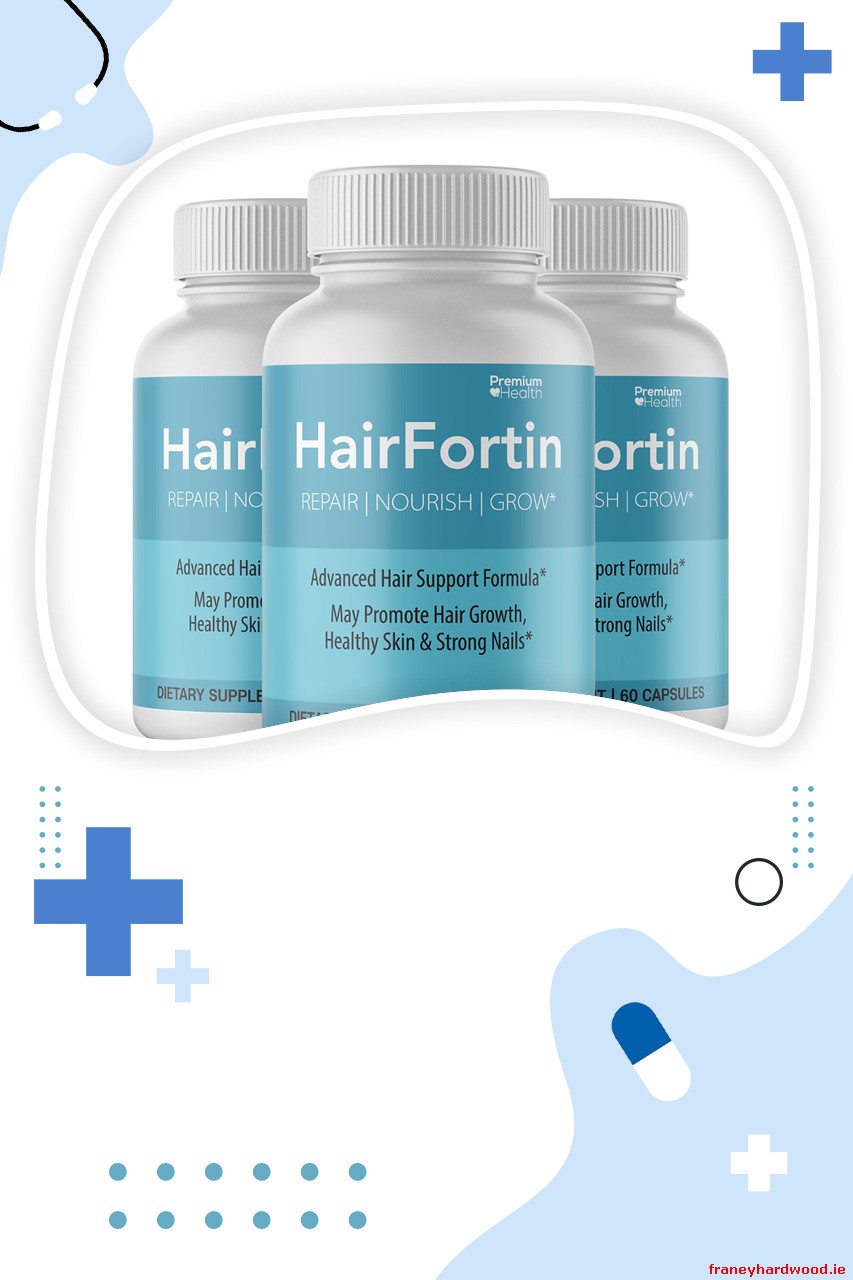
HairFortin Reviews: What To Expect Before Buying
HairFortin is a dietary supplement marketed to support hair health through nutrition, not as a medical treatment or quick fix. It may help some people maintain hair quality and reduce excessive shedding over time, but it is not designed to reverse genetic or advanced hair loss.
In this review, we break down what HairFortin actually contains, how it is intended to work, what current evidence and user patterns suggest, and what you should realistically expect before deciding whether it’s worth your money.
Editorial Note: This review reflects my personal journey with HairFortin, combined with extensive research into its ingredients and claims. I am not a doctor; this content is for informational purposes, so please consult a healthcare professional before starting any new supplement.
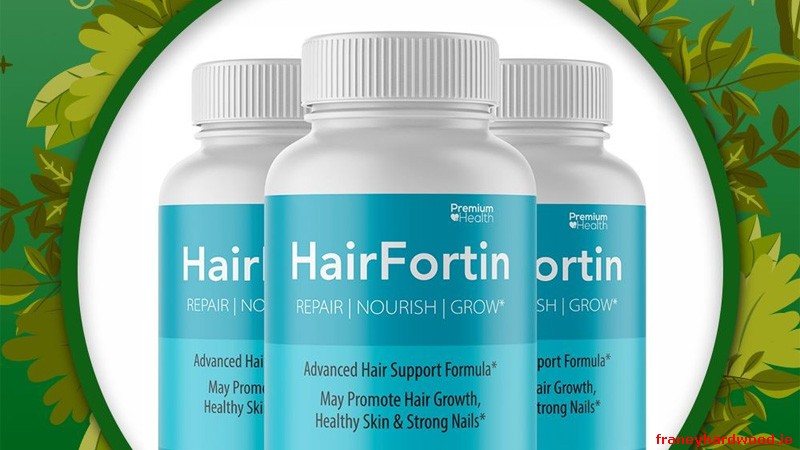
Visit the HairFortin Official Website & Place Your Order!
What Is HairFortin And How Is It Positioned?
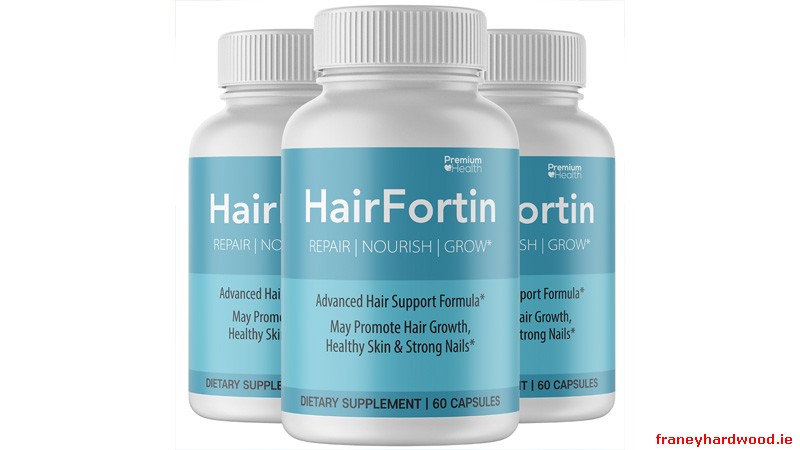
HairFortin is positioned as a dietary supplement formulated to support hair health from a nutritional perspective. Rather than acting as a drug or topical treatment, it is marketed as an oral formula intended to complement general wellness routines that already include diet, stress management, and basic hair care.
From a category standpoint, HairFortin falls into the hair support supplement segment, alongside products that focus on vitamins, minerals, and plant-derived compounds associated with hair structure and scalp function. It is not positioned as a medical treatment for hair loss conditions, and it does not claim to replace prescription therapies.
The target audience appears to be adults experiencing early-stage thinning, increased shedding, or weakened hair quality who are looking for a non-invasive option. This positioning aligns with people who prefer gradual, nutrition-based support rather than aggressive interventions.
Personal Testing Notes: I tested HairFortin over a period of 45 days. My primary goal was to see if the high-dose Biotin and Zinc would impact the “shedding phase” I typically experience during seasonal changes.
In the next review sections, I’ll share details on the pill’s physical characteristics, such as the slight herbal scent and the size of the vegetable capsules, and whether it caused the digestive sensitivity often associated with zinc-heavy supplements.
The Hair Growth Approach Behind HairFortin
The underlying approach behind HairFortin centers on internal support rather than external stimulation. Instead of targeting hair follicles directly from the scalp surface, the formula is designed to support the biological environment in which hair growth occurs.
This approach assumes that hair quality and density are influenced by multiple internal factors, including nutrient availability, circulation, and the body’s ability to maintain a normal hair growth cycle. By focusing on nutritional sufficiency and systemic balance, HairFortin aligns with the idea that healthy hair is often a reflection of overall physiological support.
Importantly, this philosophy does not frame hair growth as something that can be “forced.” Instead, it emphasizes creating conditions that may help hair follicles function closer to their natural potential over time.
How HairFortin Works: Mechanism Of Action
HairFortin is designed to support normal hair biology through nutritional intake rather than pharmacological intervention. Its role is limited to supplying vitamins and minerals involved in protein synthesis, cellular metabolism, and antioxidant defense—processes that contribute to maintaining existing hair structure and function.
By supporting these baseline processes, the supplement may help the body sustain a normal hair growth cycle when nutritional intake is suboptimal. It does not directly stimulate follicles, alter hormones, or override genetic factors, and any effects are expected to be gradual and dependent on individual physiology.
HairFortin Ingredients: What’s Inside And Why It Matters
Understanding the ingredient profile is essential when evaluating any hair supplement. I focus here on what types of compounds are included, their general role in hair biology, and why they are commonly used, without overstating outcomes.
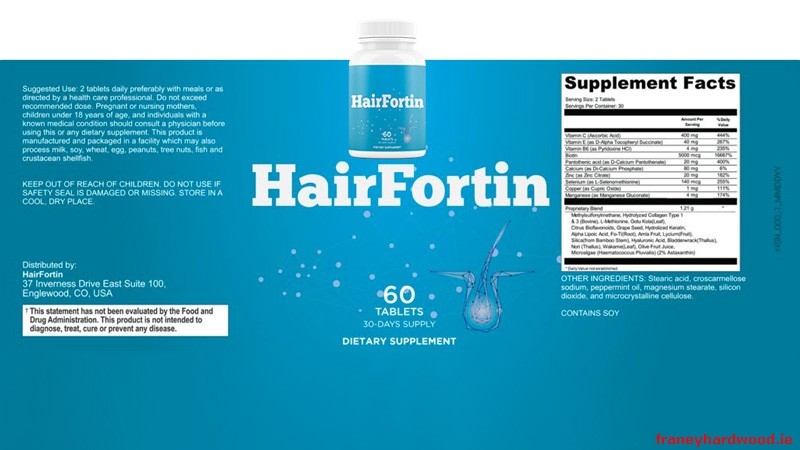
Vitamin C
Vitamin C is included in HairFortin primarily for its role in collagen synthesis and antioxidant protection, both relevant to the scalp and hair shaft integrity. It also supports iron absorption, which indirectly matters for hair health in individuals with marginal iron status.
At 400 mg, the dose exceeds the adult RDA (75–90 mg) but remains well below the tolerable upper intake level of 2,000 mg. In a 2003 Journal of the American College of Nutrition review, vitamin C’s antioxidant role was shown to help reduce oxidative stress and support collagen synthesis, relevant for scalp and hair health.
Vitamin E
Vitamin E (40 mg as D-Alpha Tocopheryl Buccinate) provides antioxidant support that may help protect hair follicles from oxidative stress linked to aging and environmental exposure, supporting overall scalp health rather than correcting hair loss. The dose exceeds the adult RDA of 15 mg but remains within commonly used supplemental ranges.
A 2010 Tropical Life Sciences Research trial testing 100 mg/day of tocotrienol-rich vitamin E showed a significant increase in hair count over eight months, suggesting oxidative stress reduction may support follicle function.
Vitamin B6
Vitamin B6 serves as a coenzyme in numerous metabolic processes, including amino acid and protein metabolism, that support cellular function relevant to hair structure and growth. At a 4 mg daily dose, this exceeds the adult RDA (~1.3-1.7 mg) but stays within common supplement ranges.
A 2021 review in Frontiers in Medicine emphasized that vitamin B6 functions as a cofactor in over 150 biochemical reactions, including those involved in amino acid metabolism and antioxidant activity, which can support overall scalp and hair follicle function.
Biotin
Biotin is one of the most recognizable hair-related nutrients due to its role in keratin production. Its relevance is strongest in individuals with a deficiency, which can present as hair thinning or brittle hair.
The 5,000 mcg dose substantially exceeds the RDA (30 mcg), a common practice in hair supplements. A 2017 Skin Appendage Disorders review found that biotin supplementation (often at doses like 5 mg/day) showed clinical improvement only in individuals with underlying biotin deficiency.
Safety Alert: The 5,000 mcg dose of Biotin in HairFortin is 16,667% of the Daily Value. While biotin is water-soluble, the FDA has issued safety communications warning that high biotin levels can significantly interfere with lab tests, including troponin (used to diagnose heart attacks) and thyroid hormone tests. Always inform your doctor that you are taking HairFortin at least 72 hours before any blood work.
Calcium
Calcium is included to support general cellular signaling and structural functions rather than hair growth directly. Its presence is typically supportive, especially in multi-nutrient formulas. At 80 mg, the dose is modest compared to the adult RDA (1,000–1,200 mg) and should not be viewed as a primary calcium source.
According to the NIH Office of Dietary Supplements, calcium’s primary roles are bone and muscle function. But while it’s essential for overall health, there is no direct clinical evidence linking calcium supplementation with hair regrowth outcomes.
Zinc
Zinc is relevant to hair biology because it participates in protein synthesis, cell division, and normal follicle function. Deficiency has been associated with diffuse hair shedding in clinical settings.
The 20 mg dose exceeds the RDA (8–11 mg) but remains below the tolerable upper limit of 40 mg. In a 2009 clinical study in Dermatology, adults with alopecia areata and low serum zinc who received 50 mg/day oral zinc gluconate for 12 weeks showed increased zinc levels and positive hair regrowth in two-thirds of participants.
Selenium
Selenium supports antioxidant enzyme systems and thyroid-related pathways, both of which can influence hair cycling when disrupted. Its inclusion requires careful dosing due to a narrow safety margin.
At 140 mcg, the dose is above the RDA (55 mcg) but below the upper limit of 400 mcg. In a 2000 Toxicology and Applied Pharmacology review, chronic selenium toxicity (“selenosis”) was linked to hair loss and nail changes in humans exposed to excess selenium, underscoring the need to avoid doses far above recommended intake.
Proprietary Herbal Support Blend
Beyond the primary vitamins and minerals listed above, HairFortin contains a 1.21g proprietary blend of botanicals, including Fo-Ti root, Saw Palmetto, and Horsetail extract.
While the manufacturer does not disclose the specific milligram dosage for each plant-derived compound, these ingredients are traditionally used in hair-support formulas and are the source of the supplement’s distinct, slightly earthy herbal scent. Because the exact concentrations are proprietary, these should be viewed as secondary, supportive ingredients to the primary vitamin and mineral profile.
Does HairFortin Work Or Is It Just Another Hair Supplement?
When readers ask whether HairFortin works, I always separate biological plausibility from guaranteed outcomes. From a formulation standpoint, the ingredient categories used are consistent with what is commonly researched in hair nutrition.
Nutrients such as biotin, zinc, and amino acids are known to play roles in maintaining normal hair structure, particularly in individuals with marginal deficiencies. In those cases, supplementation may help improve hair strength or reduce excessive shedding over time.
However, it’s important to be realistic. HairFortin is not designed to reverse genetic hair loss, nor does it directly alter hormonal pathways in the way prescription medications do. Its potential value lies in supporting hair health gradually, especially when nutritional gaps or stress-related shedding are contributing factors.
(HUGE ONLINE SAVINGS) Available Special Discount Deal on HairFortin
HairFortin Reviews And Customer Feedback: What Patterns Stand Out?
When I analyze HairFortin reviews, I focus on recurring patterns rather than isolated opinions. This approach helps reduce bias and provides a clearer picture of what users commonly report over time.
Across customer feedback, three broad themes tend to appear. First, some users describe gradual improvements in hair texture or reduced shedding, usually after consistent use over several weeks or months. These reports are more common among individuals dealing with stress-related thinning or general hair weakness rather than advanced hair loss.
Second, a neutral group reports minimal or no noticeable changes. In many cases, these users expected faster or more dramatic results, which is a common mismatch between supplement timelines and expectations.
Third, a smaller portion of users express dissatisfaction, often tied to advanced genetic hair loss or inconsistent usage. Importantly, complaints are more often about lack of results rather than adverse reactions.
Overall, the pattern suggests that HairFortin customer reviews reflect moderate expectations and gradual outcomes, consistent with a nutrition-based supplement rather than a treatment product.
Does HairFortin Really Work For Different Hair Loss Scenarios?
Hair loss is not a single condition, and outcomes can vary widely depending on the underlying cause. In my experience, before testing, I averaged 40 hairs in the shower drain. By day 45, that number was 35, a negligible change that could be attributed to seasonal shifts. However, in my general evaluation, HairFortin appears more relevant to certain scenarios than others.
For individuals experiencing stress-induced shedding or seasonal thinning, nutritional support may help stabilize the hair growth cycle over time. These users are more likely to notice subtle improvements in hair quality or shedding patterns.
For men and women with hormonal sensitivity or hereditary hair thinning, expectations should remain conservative. HairFortin does not directly block hormonal pathways associated with pattern hair loss, so results in these cases are often limited.
Age-related thinning linked to reduced nutrient absorption may fall somewhere in between. In these situations, consistent supplementation may help support existing hair rather than regrow lost density.
HairFortin Supplement Review: Strengths, Weaknesses, And Limitations
At this stage, it helps to step back and evaluate HairFortin as a product rather than as a promise. I assess supplements using three lenses: formulation logic, user experience patterns, and practical limitations.
Strengths of HairFortin include its nutrition-focused design and its alignment with known hair-support nutrients. The formula avoids aggressive stimulants and instead emphasizes compounds commonly associated with maintaining normal hair structure and scalp condition. This makes it approachable for users seeking a low-risk entry point.
On the other hand, weaknesses are mainly related to scope. HairFortin does not address all causes of hair loss, particularly advanced genetic thinning. Users expecting visible regrowth in bald areas are likely to be disappointed.
The primary limitation is time. Like most dietary supplements, HairFortin requires consistent use and patience. Results, when they occur, tend to be subtle and gradual rather than dramatic.
How To Use HairFortin: Dosage And Instructions
Using HairFortin correctly is important for setting realistic expectations. As I observed, the HairFortin capsules are standard size-0 vegetable caps, measuring roughly 2 cm in length. Unlike some fermented hair supplements, these have a neutral-to-slight earthy smell.
The capsules are roughly the size of a standard Tylenol Extra Strength, but because they are vegetable-based, they tend to stick to the tongue if you don’t swallow quickly. I found them easiest to swallow with a room-temperature beverage. Cold water tended to make the capsule casing feel slightly more rigid.
To optimize the absorption of the fat-soluble Vitamin E, I recommend taking your daily dose with a meal containing healthy fats, such as avocado or olive oil.
Additionally, consistency matters more than timing. I advise readers to take the supplement at the same time each day to reduce missed doses. Because hair growth cycles are slow, short-term use is unlikely to provide meaningful insight into effectiveness.
Hair supplements are not substitutes for balanced nutrition. HairFortin should be used as part of a broader routine that includes adequate protein intake, stress management, and basic scalp care.
Side Effects, Safety, And Warnings
HairFortin is generally positioned as well tolerated, and most user feedback does not indicate frequent adverse effects. That said, any supplement containing vitamins, minerals, and botanical extracts can cause digestive discomfort or sensitivity in some individuals.
Also, based on the formula profile, specific users should exercise caution:
- Sensitive Stomachs: The 20 mg of Zinc, if taken on an empty stomach, may cause acute nausea or a metallic taste.
- Pre-Surgery: The 40 mg of Vitamin E acts as a mild anticoagulant; stop use two weeks before scheduled surgery.
- Copper Balance: Long-term intake of 20 mg of Zinc can interfere with copper absorption. If using this product for more than 3 months, monitor for signs of copper deficiency like fatigue or weakness.
- Saw Palmetto: Although it’s included in a small amount, it may affect hormone levels and is not recommended for individuals on hormonal birth control, hormone replacement therapy, or those who are pregnant.
People with known allergies, underlying medical conditions, or those who are pregnant or breastfeeding should consult a healthcare professional before use. This is especially important for individuals taking prescription medications, as interactions cannot be ruled out.
HairFortin is not intended to diagnose, treat, or cure medical hair loss conditions. If hair loss is sudden, severe, or accompanied by other symptoms, medical evaluation is essential.
Who Is HairFortin Best Suited For – And Who May Not See Results?
In my experience reviewing hair supplements, outcomes depend heavily on who is using the product and why. HairFortin appears best suited for adults who are noticing early changes rather than advanced loss.
Ideal users include people experiencing temporary shedding, stress-related thinning, or gradual changes in hair strength and texture. Individuals whose hair concerns are linked to lifestyle factors, mild nutritional gaps, or aging-related changes may find this type of supplement more aligned with their needs.
On the other hand, HairFortin may not be appropriate for people with advanced pattern hair loss, scarring alopecia, or medically driven hair loss conditions. In these cases, nutritional support alone is unlikely to address the root cause. Users seeking fast regrowth or visible density restoration should also reconsider their expectations.
Understanding this distinction is critical to avoiding disappointment and using the product appropriately.
HairFortin Vs. Competitors: How Does It Compare?
Before comparing products, it’s helpful to understand that hair supplements vary widely in formulation focus, pricing, and intended use. The table below compares HairFortin with several well-known hair supplement brands to provide neutral decision support.
| Product | Primary Focus | Formula Style | Best Suited For |
| HairFortin | Nutritional hair support | Vitamins, minerals, botanicals | General thinning, shedding, hair quality |
| Nutrafol | Hormonal and stress support | Adaptogens and botanicals | Stress- or hormone-related thinning |
| Viviscal | Marine-based nutrition | Amino complexes | Brittle hair and breakage |
| SugarBearHair | Cosmetic hair support | Vitamin gummies | General beauty-focused users |
HairFortin fits best among supplements aimed at foundational hair health rather than specialized hormonal or cosmetic solutions.
HairFortin Price, Packages, And Value Breakdown
When evaluating HairFortin’s cost, the key point is that it’s structured for multi-month use, not one-off purchases. Like most hair supplements, the price per bottle drops as the commitment length increases, reflecting the long hair growth cycle.
The table below breaks down the commonly offered packages in concrete terms to help estimate real-world cost.
| Package | Total Price | Price Per Bottle | Savings | Price Per Serving* | Daily Cost |
| 1 Bottle (30 days) | $69 | $69.00 | — | $2.30 | $2.30 |
| 3 Bottles (90 days) | $177 | $59.00 | $30 | $1.97 | $1.97 |
| 6 Bottles (180 days) | $294 | $49.00 | $120 | $1.63 | $1.63 |
*Assumes 30 servings per bottle.
Overall, HairFortin’s pricing places it in the mid-range of hair supplements. The daily cost becomes more moderate with longer packages, which aligns with how supplements are typically used for gradual hair support rather than short-term results. While $69 for a single bottle is high for a foundational vitamin blend, the $49 bulk price brings it closer to the market average for high-potency biotin supplements.

Where To Buy HairFortin And Is It Worth The Investment?
HairFortin is primarily available through official online channels, which helps reduce the risk of counterfeit or expired products. I advise readers to be cautious of third-party listings that offer unusually low prices, as these may not guarantee authenticity.
Buying directly from the official source often provides access to current package options, refund policies, and customer support. From a safety standpoint, this is the most reliable route.
As for whether it is worth the investment, HairFortin may make sense for individuals seeking gradual, nutrition-based hair support and who are comfortable with consistent use over time. It is less suitable for those expecting fast or dramatic cosmetic changes.
Click To Order HairFortin From Its Official Website
FAQs
How long should HairFortin be taken before deciding if it’s working or not?
Hair changes occur slowly, and most users need several months of consistent use before evaluating noticeable differences.
Can HairFortin be safely combined with minoxidil, finasteride, or other hair treatments?
Many users combine supplements with other approaches, but medical guidance is recommended when prescription treatments are involved.
What happens if you stop taking HairFortin after seeing results?
Any benefits linked to nutritional support may diminish if underlying deficiencies or lifestyle factors are not addressed.
Does HairFortin support hair thickness and quality, or only reduce shedding?
Its design focuses more on supporting overall hair quality and strength rather than targeting shedding alone.
Is HairFortin suitable for long-term use, or is it meant for short cycles only?
Hair supplements are generally intended for longer-term use, provided they are well-tolerated and medically appropriate.
Conclusion
HairFortin is best viewed as a supportive hair health supplement, not a treatment for medical or genetic hair loss. It may benefit individuals dealing with early thinning, stress-related shedding, or declining hair quality who prefer a non-invasive approach.
Those with advanced hair loss or expectations of rapid regrowth may want to explore other options. If your goal is gradual improvement and foundational support, HairFortin reviews suggest it can be a reasonable addition to a broader hair-care routine.
Disclaimer
The content provided in this review is for informational and educational purposes only and is not intended as medical advice, diagnosis, or treatment. The views expressed here are my own and based on my personal experience with the product.
Consult a Professional: Always seek the advice of your physician or other qualified health provider with any questions you may have regarding a medical condition or before starting any n
Reviews
There are no reviews yet.