
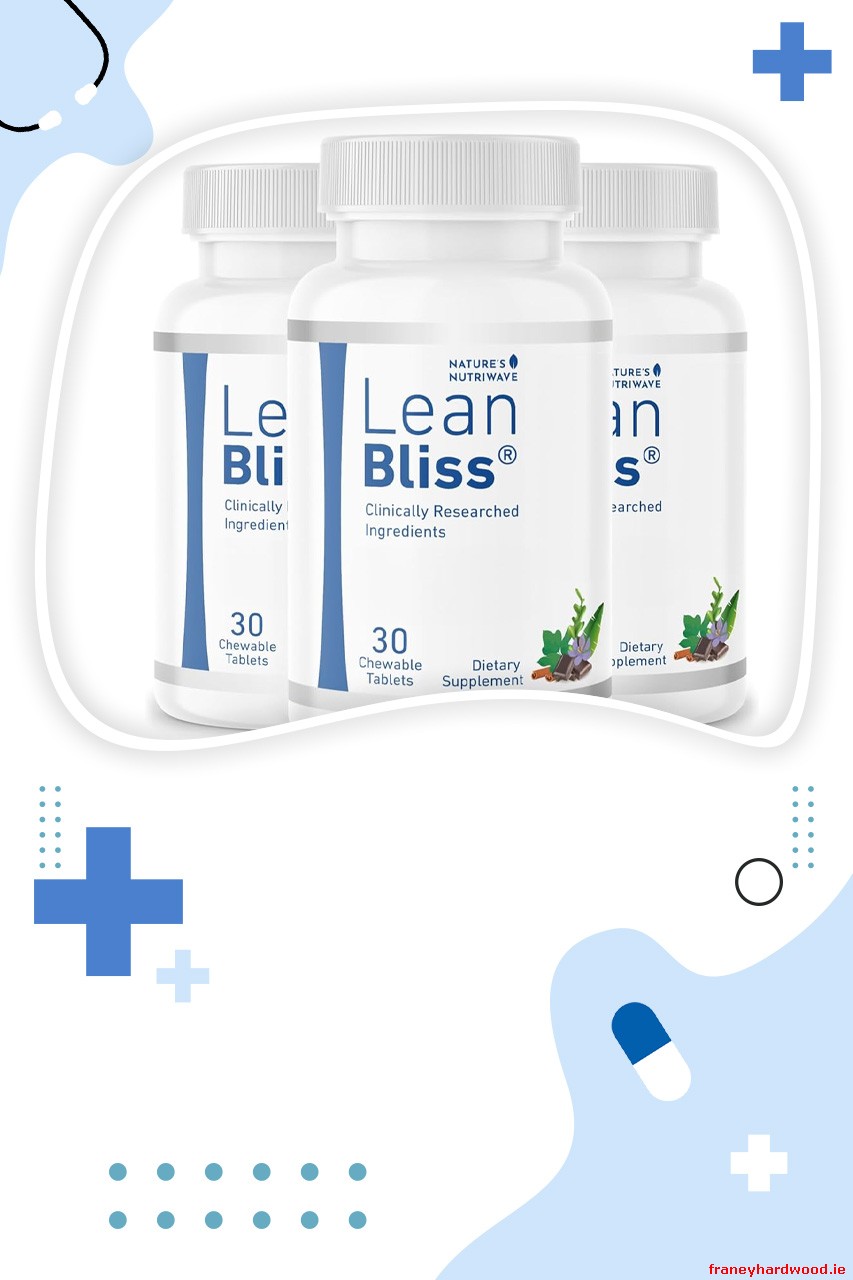


LeanBliss reviews often promise simple weight support, but the real experience depends on expectations, consistency, and suitability. I reviewed this supplement closely to explain what happens after 30 days, how the formula is designed, and where its limits are.
This professional review is for adults exploring non-prescription weight support who want clarity, not hype. We will walk through ingredients, safety, pricing, and real-world use so you can decide if LeanBliss fits your health goals realistically.
Editorial Note: This review reflects my personal journey with LeanBliss, combined with extensive research into its ingredients and claims. I am not a doctor; this content is for informational purposes, so please consult a healthcare professional before starting any new supplement.
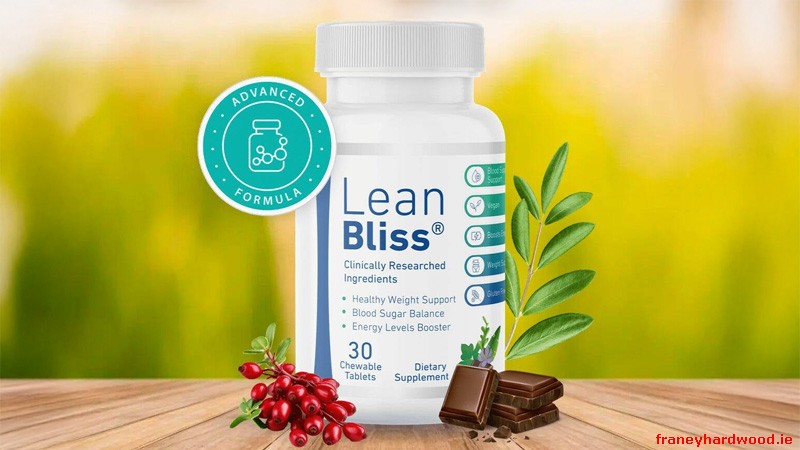
Visit the LeanBliss Official Website & Place Your Order!
Overview Of LeanBliss
LeanBliss is a dietary supplement marketed to support weight management through a blend of plant-based and metabolic-support ingredients. It is not positioned as a drug or rapid weight loss solution, but as a daily supplement meant to complement lifestyle habits.
What makes LeanBliss noticeable is how it frames expectations. The brand focuses on gradual support rather than dramatic claims, which has drawn attention from users who prefer slower, steadier changes over aggressive interventions. Interest has grown mainly through online exposure and user-driven discussion rather than clinical endorsement.
My 30-Day Testing Log: When my bottle arrived, the first thing I noticed was the tablet format. These are chewable, chocolate-flavored tablets, which is a significant departure from the standard capsules found in this category.
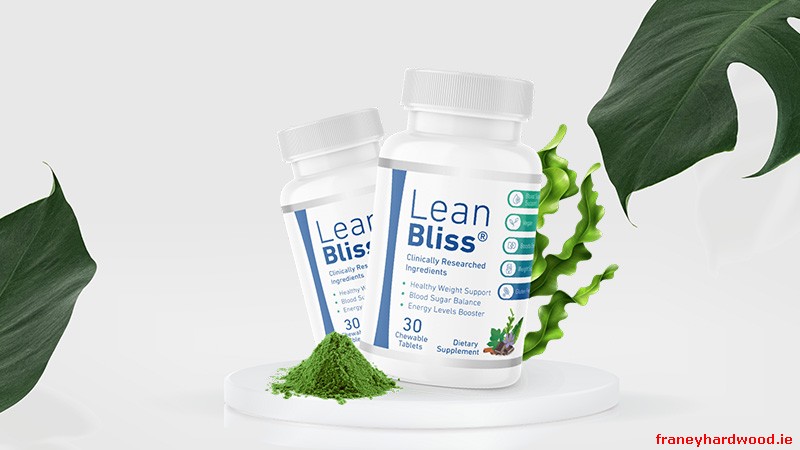
The texture is slightly chalky, similar to a chewable antacid, with a mild cocoa scent. I integrated one tablet daily into my mid-morning routine, usually 30 minutes after my first cup of coffee, to see if it affected my typical 11 AM snack cravings.
What You’ll Actually Find Inside LeanBliss
Before discussing how LeanBliss works, it helps to understand what the supplement actually contains. I reviewed the ingredient label to assess whether the formulation aligns with its positioning as a daily weight-support supplement rather than a drug-based solution.
LeanBliss relies on commonly used supplement categories rather than prescription-level compounds, aligning with its positioning as a lifestyle-support product.
From a formulation standpoint, LeanBliss does not present itself as a stimulant-heavy or aggressive fat-burning supplement. Instead, it uses a combination of botanical and nutritional components that are widely found in weight-support products.
This approach matters because, as the U.S. Food and Drug Administration notes, “Dietary supplements are intended to supplement the diet and are not intended to treat, diagnose, prevent, or cure diseases.” This framing helps set realistic expectations around what ingredients like these are designed to do.
I also look closely at transparency. LeanBliss provides an ingredient list that allows consumers to identify what they are ingesting, which is a basic but important trust factor in the supplement space. While ingredient presence alone does not guarantee effectiveness, clarity reduces uncertainty for users with sensitivities or dietary restrictions.

Editor’s Warning on Dosing: Because LeanBliss uses a Proprietary Blend, the exact milligram amount of Berberine and Saffron is hidden. While these ingredients have strong clinical backing individually, we cannot verify if they are included at “therapeutic doses” (the amounts used in successful clinical trials).
For example, while Berberine is studied at 1,500 mg daily for metabolic support, the entire LeanBliss blend may be less than that, making it difficult to guarantee similar results.
Berberine
LeanBliss lists Berberine as part of a “proprietary blend,” so the label does not disclose a per-ingredient mg dose for benchmarking. Clinically, berberine is often studied at around 500 mg three times daily for glycemic markers, with GI upset as a common tolerability limiter.
For weight-related endpoints, a meta-analysis and clinical trials suggest modest improvements in obesity indices and metabolic markers at gram-level daily totals.
A critical discrepancy exists between clinical research and this formula: the most robust studies on Berberine (such as those published in Frontiers in Nutrition) utilize dosages of 1,000mg to 1,500mg per day to achieve metabolic shifts.
Given that LeanBliss uses a 250mg total proprietary blend (estimated), it is mathematically impossible for this product to provide the therapeutic dosage used in these trials. This suggests that any benefit would be supplemental rather than corrective.
Corosolic Acid
LeanBliss explicitly includes Corosolic Acid (from Banaba) but does not publish a labeled mg amount per tablet because it’s presented within a proprietary blend. A standardized Banaba leaf extract trial reported glucose reductions at 32–48 mg/day of extract standardized to corosolic acid.
That benchmark is useful because it anchors expectations to studied dosing, which may or may not match a proprietary-blend product.
Saffron Extract
LeanBliss also lists Saffron Extract, but the product page does not provide a per-ingredient dose for comparison. In clinical research, saffron extracts are commonly evaluated at around 30 mg/day in human trials, with outcomes tied more to mood/appetite-related pathways than direct fat loss claims.
A controlled study in a cardiometabolic population also assessed saffron/crocin effects on appetite and anthropometric outcomes, supporting it as an evidence-backed “behavioral support” ingredient rather than a stand-alone weight-loss driver.
Clinical trials, including a notable study in Nutrition Research, indicate that Saffron’s primary weight-loss mechanism is the reduction of ‘snacking frequency’ due to improved serotonin signaling.
During my 30-day trial, I monitored this specifically. While I did not experience a ‘suppressed’ appetite, I noticed a subtle reduction in the urgency of mid-afternoon sugar cravings, a result consistent with low-dose Saffron (approx. 30mg) rather than a metabolic stimulant.
Olive Leaf Extract
LeanBliss calls out Oleuropein (from Olive Leaf Extract) but does not list a labeled dose per serving on the page. Human evidence for olive leaf polyphenols includes a 12-week trial showing improved insulin sensitivity and β-cell function in at-risk adults, which is relevant for metabolic health discussions.
Because “olive leaf extract” varies widely by standardization, the most comparable benchmark is studies specifying polyphenol content, not just raw extract weight.
Fucoidan
LeanBliss includes Fucoidan and frames it as seaweed-derived metabolic support, yet again without a per-ingredient mg label due to the proprietary blend format. A small randomized, double-blind, placebo-controlled trial tested fucoidan at 500 mg once daily for 3 months in overweight/obese adults, evaluating insulin-related outcomes.
This is one of the clearer human-dose reference points among the seaweed compounds, even though evidence remains limited and product-to-product standardization differs.
Ceylon Cinnamon Bark
LeanBliss specifically names Ceylon Cinnamon Bark, but it does not disclose a mg dose on the official page for direct comparison to trial ranges. Umbrella/meta-analytic evidence suggests cinnamon supplementation can improve fasting glucose-related measures in metabolic conditions, with effects often influenced by dose and duration.
A practical benchmark from the evidence landscape is that many trials use gram-level daily dosing, which is hard to map onto proprietary blends unless the label provides exact amounts.
How Does LeanBliss Work
To understand how LeanBliss is intended to work, I separate marketing language from basic biological logic. The supplement is designed to support weight-related processes indirectly rather than force rapid changes through stimulant-driven pathways.
From a functional standpoint, LeanBliss follows a support-first model. After ingestion, the formula is meant to integrate into daily metabolic activity by working alongside normal digestion and nutrient processing. This means it does not aim to override appetite signals or artificially spike energy levels.
Instead, the proposed mechanism focuses on three general pathways:
- Metabolic efficiency support: Certain plant-derived compounds are commonly included in supplements to assist how the body processes calories and nutrients over time.
- Digestive rhythm support: Fiber-based and botanical components may help promote a feeling of fullness, which can influence eating patterns indirectly.
- Nutritional balance: Micronutrient inclusion helps ensure the body is not operating under deficiencies that can interfere with weight regulation.
Importantly, LeanBliss does not claim to manipulate hormones or act as a drug-based weight loss intervention. According to the National Institutes of Health, “No dietary supplement has been shown to cause sustained weight loss without accompanying lifestyle changes.” This reinforces why LeanBliss positions itself as a complementary product rather than a standalone solution.
In real-world use, this mechanism suggests that results, if they occur, would be gradual and dependent on consistency, baseline health, and daily habits. That distinction matters for users deciding whether this approach matches their expectations.
What People Usually Want When They Try LeanBliss
Most interest in LeanBliss comes from people who have already ruled out prescription weight-loss drugs or stimulant-heavy supplements. The motivation is less about “losing weight fast” and more about reducing friction in daily weight management, specifically around consistency and tolerance.
What differentiates this audience is a desire for support that does not disrupt routines. Users are typically looking for something that can be layered onto existing habits without requiring strict timing, appetite suppression, or noticeable physiological stimulation. This preference explains why LeanBliss is often evaluated over weeks rather than days and why expectation alignment matters more here than novelty or intensity.
#Hình minh họa người dùng https://leanbliss-supplement.com/img/leanbliss-user2.jpeg
Who LeanBliss Might Make Sense For
LeanBliss is not positioned for everyone, but it may make sense for adults who prefer gradual, lifestyle-based weight support rather than aggressive interventions. In my assessment, the supplement aligns best with specific user profiles.
LeanBliss may be suitable for:
- Adults seeking non-prescription support: Individuals not ready for or advised to use weight loss drugs.
- People focusing on long-term habits: Those working on diet consistency, mindful eating, or moderate physical activity.
- Users sensitive to stimulants: People who avoid products that rely heavily on caffeine or similar compounds.
- Busy individuals: Those looking for a simple daily supplement that does not require complex scheduling.
Age-wise, LeanBliss is generally marketed toward adults rather than adolescents or older individuals with multiple medical conditions. It is also better suited for people who understand that supplements work best when paired with realistic expectations and consistent routines.
This section is about alignment, not endorsement. Knowing whether LeanBliss fits your situation helps reduce disappointment and supports safer decision-making.
Who Should NOT Use LeanBliss
While LeanBliss is marketed as a dietary supplement, it is not appropriate for everyone. Clear exclusions are essential, especially for products intended for weight-related use.
LeanBliss should not be used by:
- Pregnant or breastfeeding individuals: Nutritional needs and safety thresholds differ significantly during these periods.
- People with diagnosed metabolic or endocrine disorders: Conditions such as thyroid disease or diabetes require medical oversight.
- Individuals taking prescription medications for weight, blood sugar, or blood pressure: Potential interactions should be reviewed by a healthcare professional.
- Those with known ingredient sensitivities or allergies: Even plant-based compounds can trigger adverse reactions.
- Minors: LeanBliss is intended for adult use only.
The National Center for Complementary and Integrative Health advises that “dietary supplements can interact with medicines or cause problems if you have certain medical conditions.” This is why consultation with a qualified healthcare provider is recommended before starting any new supplement.
Excluding yourself when appropriate is not a drawback. It is a responsible step toward protecting your health.
Specific Medical Interactions:
- Blood Sugar Medications: Since Berberine and Banaba Leaf (Corosolic Acid) are intended to support glucose metabolism, taking them alongside prescriptions like Metformin or Insulin could potentially lead to hypoglycemia (dangerously low blood sugar).
- Blood Thinners: Ceylon Cinnamon contains coumarin; while much lower than Cassia cinnamon, individuals on Warfarin or other anticoagulants should exercise caution.
- Liver Health: Always monitor liver enzyme levels when starting a new supplement containing concentrated plant extracts, as individual sensitivities vary.
- The Hypoglycemia Risk: Because LeanBliss contains both Berberine and Corosolic Acid (Banaba Leaf), both of which are clinically shown to enhance insulin sensitivity, there is a non-negligible risk of additive effects.
If you are currently taking Metformin, Glyburide, or Insulin, taking LeanBliss could cause your blood sugar to drop to dangerous levels (hypoglycemia). You must consult an endocrinologist to monitor your glucose levels if you choose to integrate this supplement.
Pros And Cons Of LeanBliss
After reviewing the formulation, positioning, and intended use, it helps to summarize LeanBliss in a straightforward way. This section reflects what the product does well and where its limitations are, based only on what has already been discussed.
Potential Advantages
- Designed as a non-prescription supplement, not a drug-based solution
- Uses a stimulant-light approach, which may suit sensitive users
- Fits easily into daily routines without complex timing
- Ingredient transparency supports informed decision-making
Potential Disadvantages
- Not intended for rapid or dramatic weight loss
- Results, if any, depend heavily on consistency and lifestyle habits
- Not suitable for individuals with certain medical conditions or medications
- Limited usefulness for those expecting immediate visible changes
This balance is important. LeanBliss does not stand out as a miracle product, but it also avoids some of the risks associated with aggressive weight-loss supplements. Understanding both sides helps set expectations realistically.
How People Usually Take LeanBliss In Real Life
In everyday use, LeanBliss is typically taken as a daily dietary supplement, rather than on an as-needed basis. Most users follow the dosage instructions provided on the product label and avoid adjusting amounts without guidance.
Based on standard supplement practices, common usage patterns include:
- Taking LeanBliss once or twice daily, depending on label directions
- Consuming it with water, often alongside meals
- Maintaining consistent timing to support routine adherence
- Avoiding combination with other weight-related supplements unless advised
Consistency matters more than timing precision. Health authorities such as the National Institutes of Health emphasize that dietary supplements are intended to be taken as part of a regular routine, not sporadically or in excess.
Importantly, increasing dosage does not increase effectiveness and may raise the risk of side effects. LeanBliss is designed to be used conservatively and consistently, not aggressively.
Click To Access The Official Website Of LeanBliss
How Long It Takes Before You Feel Anything Different
With supplements like LeanBliss, changes, if noticed, tend to occur gradually rather than immediately. Most users do not report noticeable differences within the first few days, which aligns with how non-drug dietary supplements typically function.
In general terms, people who perceive changes often describe timelines such as:
- First 1–2 weeks: Getting used to the routine, with little to no noticeable difference
- Weeks 3–4: Subtle shifts in appetite awareness or daily energy balance
- Beyond 30 days: Greater clarity on whether the supplement fits their body and habits
These timelines vary widely. Factors such as baseline health, diet quality, sleep, stress levels, and consistency all influence perception. The National Institutes of Health notes that “individual responses to dietary supplements can differ significantly.”
This is why LeanBliss is better evaluated over several weeks rather than days. Short-term use rarely provides enough context to judge suitability or value.
The Science of the Timeline:
Why 30 to 90 days? Clinical research on Saffron Extract (for appetite) typically shows significant results at the 8-week mark (60 days), while Olive Leaf Extract’s impact on insulin sensitivity is often measured over a 12-week period.
Expecting a “metabolic shift” in the first 7 days is biologically unrealistic; the 30-day mark is primarily for assessing your digestive tolerance, while the 90-day mark is for assessing physiological trends.
Does This Product Have Side Effects?
LeanBliss is formulated as a dietary supplement, not a prescription drug, which generally places it in a lower-risk category when used as directed. That said, “low risk” does not mean “no risk,” and individual responses can vary.
Reported side effects associated with supplements in this category are typically mild and may include:
- Temporary digestive discomfort, such as bloating or changes in bowel habits
- Mild headaches during the initial adjustment period
- Sensitivity reactions in individuals prone to botanical ingredients
Serious adverse effects are not commonly associated with non-stimulant, plant-based supplements, but this does not eliminate the possibility of individual intolerance. The U.S. National Center for Complementary and Integrative Health states that “natural does not always mean safe,” particularly for people with underlying conditions or medication use.
Most side effects, when they occur, are linked to improper use, combining multiple supplements, or ignoring contraindications. This reinforces the importance of following label directions and seeking medical advice when unsure.
Is LeanBliss Legit Or Just Hype?
Evaluating whether LeanBliss is legitimate requires looking beyond marketing language and focusing on transparency, positioning, and consistency with established supplement practices. From my review, LeanBliss does not present itself as a prescription alternative or a rapid weight loss solution, which already separates it from many overhyped products.
Several factors support its legitimacy:
- Clear supplement positioning: LeanBliss is marketed as dietary support, not a medical treatment.
- Ingredient transparency: The product discloses its formula rather than relying on vague “proprietary blend” claims alone.
- Expectation management: Messaging focuses on gradual support instead of dramatic transformations.
At the same time, legitimacy does not mean universal effectiveness. There is no clinical evidence showing that LeanBliss alone produces weight loss, and the brand does not claim otherwise. According to guidance from the U.S. Food and Drug Administration, dietary supplements cannot legally claim to treat or cure weight-related conditions.
In this context, LeanBliss appears to fall into the category of a conventional lifestyle supplement rather than a scam or miracle product. Whether it is worthwhile depends more on individual fit and expectations than on bold promises.
What Buyers Often Say After Using LeanBliss
When reviewing user discussions and feedback patterns around LeanBliss, the responses tend to be measured rather than extreme. Most buyers do not describe dramatic transformations, but they also do not frame the product as deceptive when expectations are realistic.
Common themes from user feedback include:
- Neutral-to-positive adjustment period: Many users mention an initial phase of getting used to daily supplementation.
- Lifestyle alignment matters: People who pair LeanBliss with diet awareness or routine changes report more satisfaction than those who rely on it alone.
- Subtle rather than obvious effects: Feedback often centers on gradual changes in appetite awareness or routine consistency.
- Mixed views on value: Some users feel the price matches the formulation, while others expect more noticeable changes for the cost.
Negative feedback usually relates to expectation mismatch rather than adverse effects. Users expecting rapid or guaranteed weight loss tend to express disappointment, which mirrors broader trends seen across weight-support supplements.
Overall, buyer feedback reinforces the importance of understanding what LeanBliss is designed to support and what it is not.
How Much LeanBliss Costs These Days
Understanding the price of LeanBliss helps set realistic expectations around value. The supplement is generally sold as a direct-to-consumer product, with pricing that reflects bundled purchasing rather than single-unit retail placement.
| Package | Total Price | Price Per Bottle | Savings vs Single | Price Per Serving* | Daily Cost* |
| 1 Bottle (30-day supply) | $69 | $69.00 | — | $2.30 | $2.30 |
| 3 Bottles (90-day supply) | $177 | $59.00 | $30 | $1.97 | $1.97 |
| 6 Bottles (180-day supply) | $294 | $49.00 | $120 | Be the first to review “LeanBliss”Related products


Login |
Reviews
There are no reviews yet.