

Peak Bioboost Review: Does This Prebiotic Formula Really Work?
Peak Bioboost is designed for adults who want to improve gut balance and digestive comfort using a daily prebiotic supplement. We reviewed this formula to understand how it works, who it is suitable for, and whether its claims align with current digestive health science.
In this article, we look closely at ingredients, expected benefits, safety considerations, pricing, and real user feedback so you can decide if this product fits your gut-health goals.
Editorial Note: This review reflects my personal journey with Peak Bioboost, combined with extensive research into its ingredients and claims. I am not a doctor; this content is for informational purposes, so please consult a healthcare professional before starting any new supplement.
What Is Peak Bioboost?
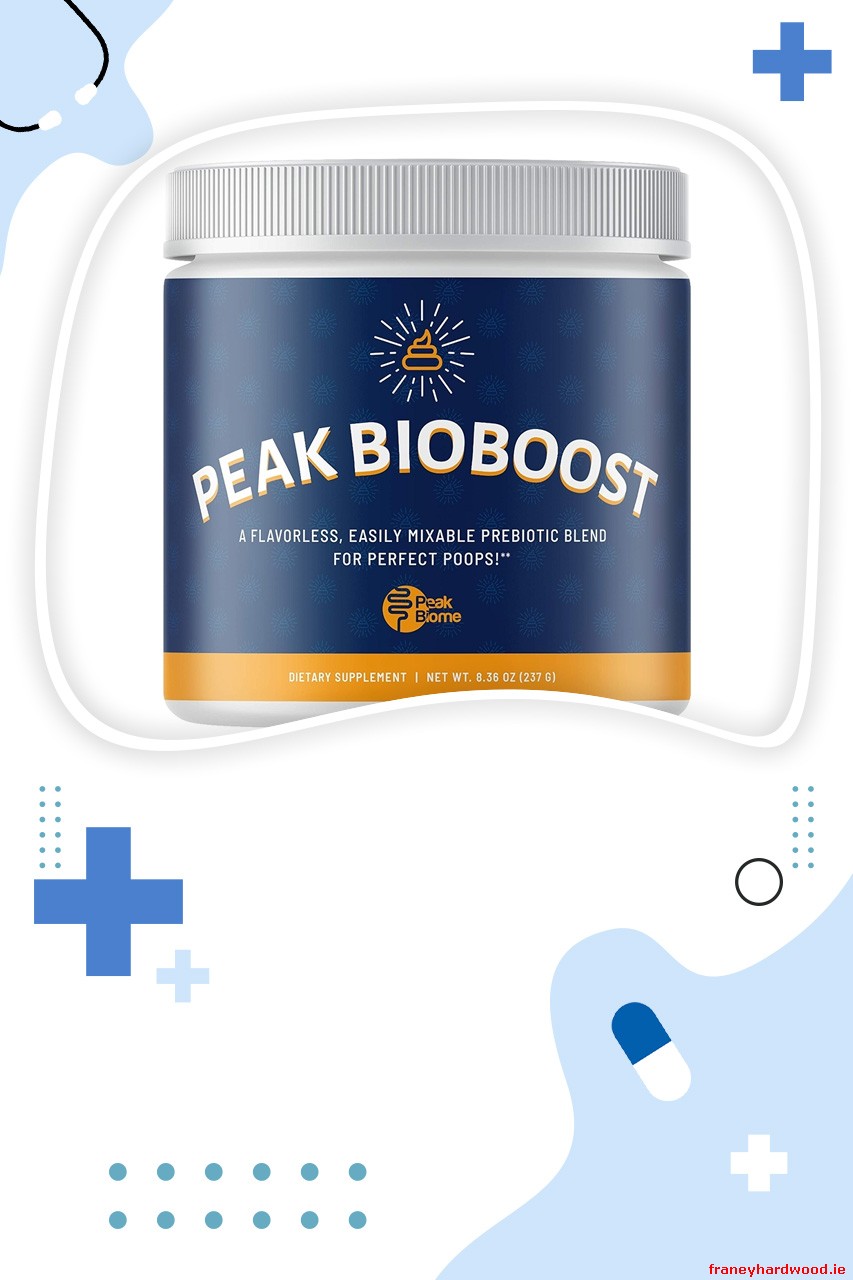
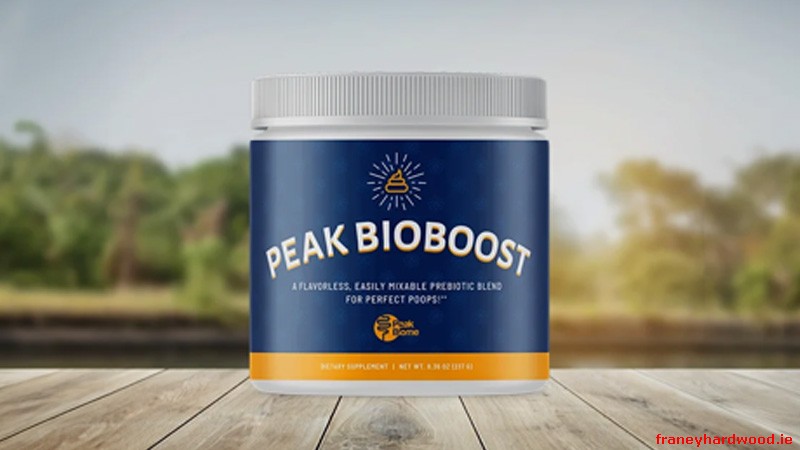
Peak Bioboost is a dietary supplement classified as a prebiotic formula. It is designed to support digestive health by nourishing beneficial gut bacteria rather than adding live bacterial strains directly. The product is intended for daily use and comes in an oral supplement format suitable for adults.
Unlike probiotics, which introduce external microorganisms, prebiotic supplements focus on providing non-digestible compounds that beneficial gut bacteria can utilize as fuel. The primary objective of Peak Bioboost is to help maintain a balanced gut environment that supports digestion, regularity, and overall gastrointestinal comfort.
[Special Discount] Peak Bioboost Get Your Best Discount Online!!
It is not positioned as a medical treatment or a replacement for clinical care, but rather as a nutritional support product for individuals looking to improve gut function through diet-based supplementation.
Testing Notes
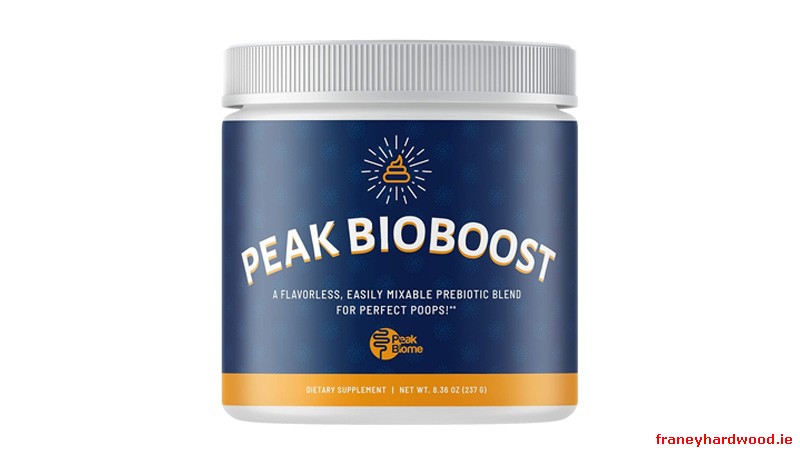
Over a 14-day testing period, I integrated Peak Bioboost into my morning routine. I tracked three specific metrics: mixability in different temperatures, palatability when taken alone, and digestive transition (the frequency of gas or bloating during the first 72 hours). My observations below reflect how the powder behaves in a real-world kitchen, not just on a spec sheet.
In terms of solubility, in hot liquids (coffee/tea), the powder dissolved in roughly 15 seconds with minimal stirring. In cold water or almond milk, it tended to form small, dry clumps (hydrophobic pockets) that required a frother or blender to fully incorporate.
For flavor profile, the formula is marketed as flavorless. In plain water, I detected a very faint woody sweetness (likely from the Acacia and Inulin). However, when mixed into coffee or a smoothie, it was completely undetectable, making it superior to gritty psyllium husk supplements.
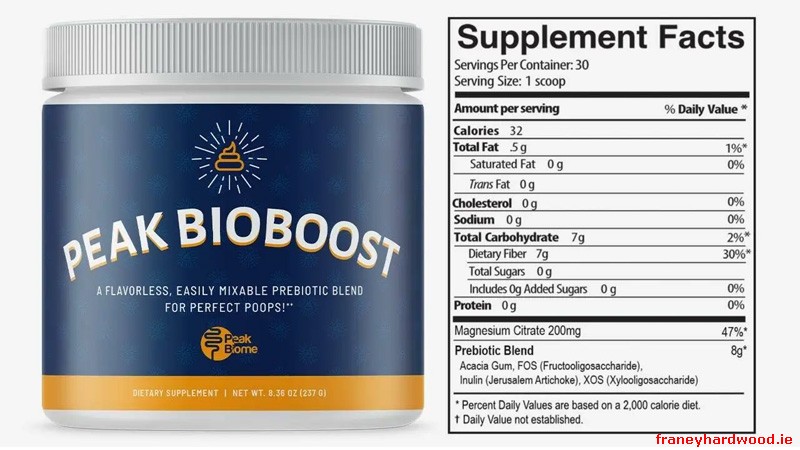
Peak Bioboost Ingredients Breakdown: Natural Components & Science
The ingredient profile of Peak Bioboost centers on prebiotic compounds commonly studied for their role in gut microbiome support. Below, I explain what each component is intended to do and how it is supported by current nutritional science, without overstating outcomes.
Inulin
Inulin is listed on the official Peak BioBoost ingredient panel as a core prebiotic fiber intended to nourish beneficial gut bacteria. The official site recommends 1 scoop daily, but it does not disclose the grams of inulin per serving, so we can’t match an exact labeled dose to trials.
Clinically, inulin-type fructans are often studied at around 10–16 g/day for measurable shifts in gut bacteria and fermentation markers. Research shows that inulin/oligofructose at 16 g/day increased bifidobacteria and SCFA-related measures in an RCT.
Fructooligosaccharides
FOS appears on the official website as one of the key prebiotic ingredients used to support microbiome activity. Similarly, while the label guidance is 1 scoop per day, the site does not publish the FOS gram amount, so any comparison to research has to be done at the “typical effective range” level.
In human studies, FOS has shown bifidogenic effects at relatively modest intakes. One placebo-controlled trial tested FOS at 2.5, 5, and 10 g/day and found increases in Bifidobacterium/Lactobacillus-related taxa.
Acacia Gum
Acacia gum is highlighted on the official site as a natural fiber source used for gut support and prebiotic activity. The daily use instruction is 1 scoop, but acacia’s individual dose in that scoop is not disclosed, which limits direct label-to-trial equivalence.
That said, controlled human data exists: The gum arabic was demonstrated to have prebiotic efficacy in healthy adults, with an “optimal” daily dose reported around 10 g/day in a well-cited trial.
Magnesium Citrate
Magnesium citrate is listed on the official ingredient panel as a bowel-support component, typically used for its osmotic effect (drawing water into the gut lumen). Peak BioBoost provides the 1-scoop daily direction, but does not provide milligrams of magnesium citrate per serving on the website.
For clinical context, magnesium salts are commonly used for constipation relief in medical settings, with documented efficacy for certain magnesium-based regimens. Magnesium-based osmotic therapy improving defecation status in controlled trials is a reasonable benchmark category, but it’s not possible to claim dose equivalence here without the label amount.
Magnesium Citrate Caution: Magnesium Citrate acts as an osmotic laxative by drawing water into the intestines. Because the exact milligram count is not listed, users already taking a magnesium supplement or those with kidney impairment should exercise caution to avoid hypermagnesemia (excess magnesium in the blood).
Oat Fiber
Oat fiber is included on the official ingredient list, and it stands out because oats contribute mixed fermentable fibers (including beta-glucans) that may affect microbiota and metabolic markers. The product’s public guidance remains 1 scoop daily, with no disclosed grams for oat fiber specifically.
Human evidence suggests oat intake can shift gut microbiota and SCFA-related outcomes. For example, a randomized controlled trial comparing oats vs rice reported microbiota/SCFA-related changes alongside lipid effects.
A Note on Oat Fiber & Gluten: Peak Bioboost contains oat fiber. While oats are naturally gluten-free, they are frequently cross-contaminated with wheat during processing. If you have Celiac disease or severe gluten sensitivity, confirm with the manufacturer that their oat source is certified gluten-free before consuming.
(HUGE ONLINE SAVINGS) Available Special Discount Deal on Peak Bioboost
How Does Peak Bioboost Work?
Peak Bioboost works by supplying selectively fermentable substrates that pass through the upper digestive tract undigested and reach the colon intact. Once there, these compounds become a fuel source for beneficial gut bacteria.
As beneficial bacteria metabolize prebiotic fibers, they produce short-chain fatty acids (SCFAs) such as butyrate. These compounds are associated with maintaining gut lining integrity and supporting digestive efficiency. Research published in The Journal of Nutrition notes that SCFAs play a role in gut barrier support and microbial balance.
Rather than forcing bowel movements or altering digestion mechanically, this process focuses on gradual ecosystem support, which explains why results are not immediate and vary between individuals.
Key takeaway: Peak Bioboost supports digestion indirectly by enhancing the gut environment, not by acting as a stimulant or medication.
Key Health Benefits: How Peak Bioboost Supports Gut Health
Based on its prebiotic-focused design, Peak Bioboost aims to support digestive health by improving the gut environment over time, rather than delivering short-term symptom relief.
From my review of the formula and available research on prebiotic fibers, the potential benefits include:
- Improved digestive regularity through better microbial balance
- Reduced bloating over time as the gut adapts to healthier bacterial activity
- Support for nutrient absorption, as a balanced microbiome assists digestive efficiency
- Enhanced gut comfort, especially for individuals with low dietary fiber intake
Research cited by the National Institutes of Health explains that prebiotics can help promote the growth of beneficial bacteria associated with digestive and metabolic health.
These benefits are typically gradual, depending on diet, baseline gut health, and consistency of use.
Who Should Use This Formula?
Peak Bioboost may be suitable for adults who are looking for non-stimulant digestive support and want to improve gut balance through nutrition rather than medication.
This formula may be appropriate for individuals who:
- Experience occasional digestive discomfort or irregularity
- Consume low amounts of fiber in their daily diet
- Want to support gut health as part of a long-term wellness routine
- Prefer prebiotic support instead of probiotic supplementation
Check Out The Official Website To Know More About Peak Bioboost Supplement
I see this product as most relevant for people who value gradual, diet-aligned gut support, rather than fast-acting digestive aids.

Who Should NOT Use Peak Bioboost?
While prebiotic supplements are generally considered safe for many adults, Peak Bioboost is not suitable for everyone.
You should avoid using Peak Bioboost or speak with a qualified healthcare professional if you:
- Are pregnant or breastfeeding
- Have been diagnosed with chronic gastrointestinal conditions (e.g., inflammatory bowel disease)
- Have known sensitivities or allergies to fiber-based supplements
- Are taking medications that affect digestion or nutrient absorption
Beyond that, individuals following a Low-FODMAP diet for Irritable Bowel Syndrome (IBS) should use Peak Bioboost with extreme caution. Inulin and Fructooligosaccharides (FOS) are highly fermentable carbohydrates. In certain digestive ecosystems, these can cause rapid gas production and abdominal distension (bloating). If you have been told to avoid “fructans,” this supplement may trigger a flare-up.
As emphasized in clinical nutrition guidance from the Academy of Nutrition and Dietetics, individual tolerance to prebiotic fibers can vary, especially in people with sensitive digestive systems. This product is not intended to diagnose, treat, or prevent disease.
Pros And Cons Of Peak Bioboost
To provide a fair assessment, I look at both the strengths and limitations of Peak Bioboost based on its formulation approach, intended use, and consumer positioning.
Pros
- Focuses on prebiotic support, not stimulants or laxatives
- Designed for daily, long-term gut health maintenance
- Simple dosing with no complex cycling required
- Suitable for users who prefer diet-aligned digestive support
Cons
- Results are not immediate and require consistency
- May cause temporary digestive adjustment for some users
- Only available through the official Peak Bioboost website
- Not formulated for people with certain digestive disorders
Overall, the product favors a slow, foundational approach to gut health, which may not appeal to users seeking rapid symptom relief.
(DON’T MISS OUT) Peak Bioboost Best Deal Yet – Click to Buy
Potential Side Effects & Safety: Is Peak Bioboost Safe?
Most healthy adults tolerate prebiotic supplements well, but digestive adaptation is common during the first days or weeks of use.
Reported or expected side effects may include:
- Mild bloating
- Temporary gas
- Changes in stool frequency during adaptation
These effects usually reflect the gut microbiome adjusting to increased fermentation activity. I generally recommend starting with the suggested dose and allowing time for the digestive system to adapt rather than increasing intake prematurely.
From a safety standpoint, prebiotic fibers are widely used in nutrition, but individual tolerance varies. This is why people with medical conditions or heightened digestive sensitivity should consult a healthcare professional before use.
Peak Bioboost Review And Consumer Feedback: What Users Are Saying
When reviewing consumer feedback, I focus on patterns rather than isolated opinions. Across user discussions and testimonials, several recurring themes appear.
Commonly mentioned positives include:
- Gradual improvement in digestive comfort
- Better regularity after consistent use
- Ease of integrating into a daily routine
Critical feedback most often relates to:
- Initial bloating during the first week
- Expectations of faster results
- Price sensitivity for long-term use
Overall, feedback suggests that satisfaction is highest among users who understand that prebiotic supplements work progressively, not instantly.
How Long Does It Take To See Results With Peak Bioboost?
Prebiotic supplements typically require time and consistency to influence gut bacteria composition.
Based on digestive nutrition research and user reports:
- Some users notice changes in 1–2 weeks
- More stable benefits often appear after 3–4 weeks
- Results depend on diet, hydration, and baseline gut health
I advise viewing Peak Bioboost as a supportive habit, not a quick fix. Skipping doses or expecting overnight changes often leads to disappointment.
How To Use Peak Bioboost: Dosage & Instructions
Peak Bioboost is intended for daily use, following the manufacturer’s instructions on the label.
General usage guidance includes:
- Take the recommended serving once daily
- Use consistently at the same time each day
- Pair with adequate water intake
- Avoid doubling doses to speed results
Consistency matters more than timing. I often remind readers that prebiotic support works best when combined with a fiber-aware diet and stable routine.
Price & Where To Buy Peak Bioboost: Official Website Options
Want To Place Your Order? Visit The Official Peak Bioboost Website By Clicking Here
Peak Bioboost pricing varies by how many bottles you purchase, with larger bundles offering a lower price per bottle and better value overall. All pricing below is sourced from the official Peak Bioboost website (verified pricing tiers).
| Package | Total Price | Price per Bottle | Servings per Bottle | Price per Serving | Daily Cost* |
| 1 Bottle | $44.95 + shipping | $44.95 | 30 | $1.50 | ~$1.50 |
| 3 Bottles | $119.85 + free shipping | $39.95 | 30 | $1.33 | ~$1.33 |
| 6 Bottles | $179.70 + free shipping | $29.95 | 30 | $0.99 | ~$0.99 |
* Daily cost assumes one serving per day.
Buying in larger bundles significantly reduces the price per serving. For example, the 6-bottle package lowers the cost to under $1 per serving, which is more economical for long-term users compared with the single-bottle price of about $1.50 per serving.
Peak Bioboost is best purchased directly from the official website to avoid counterfeits and ensure access to promotions and the money-back guarantee. Due to varying third-party listings (e.g., Amazon or eBay), prices can fluctuate and may not reflect authenticity.
CTA placeholder: Visit the Official Website for Exclusive Discounts

Peak Bioboost vs Competitors: How Does It Compare?
To help you understand where Peak Bioboost truly fits, I compared it with established gut-health products using function-driven criteria, not marketing claims. This approach mirrors how high-authority health publishers evaluate supplements.
| Product | Core Mechanism | Primary Gut Target | Adaptation Curve | Dependency Risk | Transparency Style | Best For |
| Peak Bioboost | Feeds existing microbes (prebiotic fermentation) | Microbiome balance | Gradual (1–4 weeks) | Low | Partial label disclosure | Long-term gut ecosystem support |
| Benefiber | Bulking fiber (wheat dextrin) | Stool consistency | Minimal | Moderate if overused | Full fiber disclosure | Occasional constipation |
| Seed DS-01 | Introduces live bacterial strains | Strain diversity | Variable, strain-dependent | Low | Full strain + dose disclosure | Microbiome reseeding |
To conclude, we suggest the best-fit use cases:
- Choose Peak Bioboost if your goal is gradual gut balance and digestive comfort
- Choose Benefiber for short-term regularity
- Choose Seed DS-01 if you want a strain-specific probiotic intervention
Peak Bioboost stands out not by acting faster or stronger, but by targeting the gut ecosystem itself. For users who understand that microbiome health improves through consistent nourishment rather than force, this positioning may offer a more sustainable approach than fiber-only or probiotic-only alternatives.
FAQs
Can Peak Bioboost be taken alongside probiotics or digestive enzymes?
Yes, Peak Bioboost can generally be combined with probiotics or digestive enzymes, as prebiotics serve as food for beneficial bacteria, though individual tolerance and gradual introduction are important.
Will Peak Bioboost cause bloating or gas during the first few days of use?
Some users may experience temporary bloating or gas initially, which usually reflects gut microbiome adaptation to increased fermentation and often subsides within one to two weeks of consistent use.
Is Peak Bioboost suitable for long-term daily use?
Peak Bioboost is intended for ongoing daily use as a nutritional support supplement, provided it is well tolerated and used according to label directions without exceeding recommended intake.
Does Peak Bioboost require dietary changes to be effective?
Peak Bioboost does not require dietary changes to work, but maintaining adequate hydration and a balanced, fiber-aware diet may help support more consistent digestive outcomes.
How is Peak Bioboost different from fiber supplements or laxatives?
Unlike laxatives or bulking fibers that act mechanically, Peak Bioboost focuses on nourishing beneficial gut bacteria to support digestion gradually rather than forcing bowel movements.
Conclusion: Final Verdict on Peak Bioboost
After reviewing the formula, usage approach, safety considerations, and user feedback, I see Peak Bioboost as a prebiotic supplement best suited for adults seeking gradual gut-health support rather than immediate digestive relief. Its strengths lie in its microbiome-focused design and long-term usability, while patience and consistency are essential.
For readers who value foundational digestive wellness and understand how prebiotics work, Peak Bioboost may be a practical option worth considering. If you decide to explore it further, purchasing directly from the official website is the safest way to proceed with Peak Bioboost.
Disclaimer
The content provided in this review is for informational and educational purposes only and is not intended as medical advice, diagnosis, or treatment. The views expressed here are my own and based on my personal experience with the product.
Consult a Professional: Always seek the advice of your physician or other qualified health provider with any questions you may have regarding a medical condition or before starting any new diet, supplement, or exercise regimen. Never disregard professional medical advice or delay in seeking it because of something you have read on this site.
Individual Results May Vary: Every body is different. What works for me may not work for you.
FDA Statement: These statements have not been evaluated by the Food and Drug Administration. This product is not intended to diagnose, treat, cure, or prevent any disease.
Be the first to review “Peak BioBoost”
Related products






Reviews
There are no reviews yet.