


Prostadine Review: What Is Prostadine And Does It Really Work?
Prostadine is a prostate health supplement designed for adults who want better urinary comfort and long-term prostate support. In this review, we examine how the formula works, what it contains, and who it may benefit, based on available evidence and user feedback.
It helps you decide whether this supplement aligns with your health goals and lifestyle. As part of this review, we evaluated Prostadine over several weeks with a focus on ease of use, tolerability, ingredient transparency, and how well the product fits into a realistic daily routine, rather than expecting rapid or clinical outcomes.

Editorial Note: This review reflects our tester’s personal journey with Prostadine, combined with extensive research into its ingredients and claims. I am not a doctor; this content is for informational purposes, so please consult a healthcare professional before starting any new supplement.
To evaluate Prostadine, our tester, a 54-year-old male with mild, non-clinical urinary frequency, incorporated the supplement into a 30-day morning routine. We focused on three primary KPIs (Key Performance Indicators): ease of dispensing, palatability, and impact on sleep interruptions (nocturia). Observations were recorded in a daily log to distinguish between placebo effects and consistent patterns.
Click To Access The Official Website Of Prostadine
What Is Prostadine?
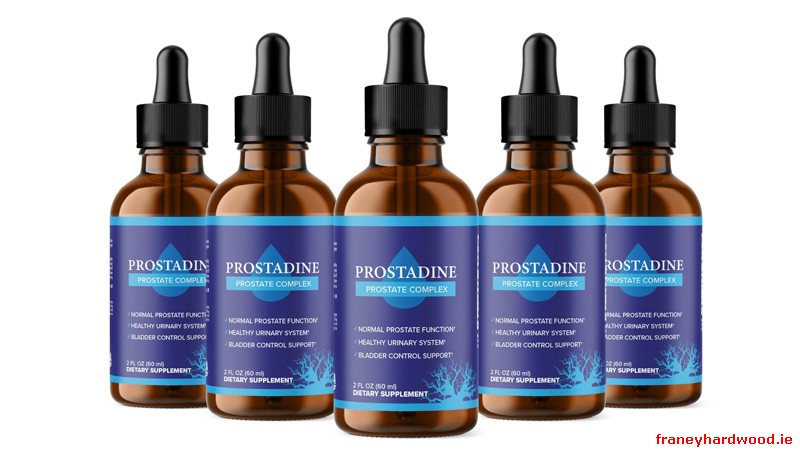
Prostadine is a dietary supplement formulated to support prostate and urinary tract health in adult men. It is sold as a liquid drop formula, not a prescription drug, and is intended to complement, rather than replace, medical care.
As with all dietary supplements, Prostadine is regulated under the U.S. Dietary Supplement Health and Education Act (DSHEA). The U.S. Food and Drug Administration states that supplements are not approved to diagnose, treat, cure, or prevent diseases, but may support normal body functions when used as directed.
Prostadine is marketed toward individuals seeking non-pharmaceutical prostate support, particularly those experiencing age-related urinary changes.
What Is Prostadine Used For?
Prostadine is commonly used as a prostate health supplement aimed at supporting:
- Normal urinary flow
- Bladder comfort and frequency balance
- Prostate tissue health
- Inflammatory response regulation
- Overall urinary tract wellness
It is important to clarify that Prostadine is not positioned as a treatment for prostate disease, benign prostatic hyperplasia (BPH), prostazi123s, or cancer. Instead, it is intended for general wellness support, especially for men over 40 experiencing mild, non-clinical urinary concerns.
According to the National Institute on Aging, age-related prostate enlargement is common and may affect urinary function, making lifestyle and nutritional support a frequent area of interest for aging men.
Prostadine Supplement Vs Prostadine Injection
One common source of confusion online is the term “Prostadine injection.” An important clarification: Prostadine is not an injectable medication.
Prostadine is:
- ✅ A liquid dietary supplement (oral drops)
- ❌ Not an injection
- ❌ Not a prescription drug
- ❌ Not administered by healthcare professionals
Medical prostate injections (such as hormone therapies or anti-inflammatory injections) are entirely different interventions prescribed by licensed clinicians for specific medical conditions. Prostadine should not be confused with these treatments.
This distinction matters for safety and expectations. Supplements like Prostadine work through nutritional support mechanisms, not through pharmacological or invasive medical actions.

Prostadine Ingredients – What’s Inside The Formula?
The effectiveness and safety of any prostate supplement depend largely on its ingredient profile. Prostadine is formulated as a plant- and nutrient-based liquid blend, designed to support prostate and urinary health through nutritional pathways rather than pharmaceutical action.
From an editorial and health-review perspective, we assess ingredients based on three factors:
biological plausibility, traditional use, and available scientific context, not marketing claims.

Prostadine Ingredients List & Label Explained
Saw Palmetto Extract (Serenoa repens):
Saw palmetto is primarily included for its interaction with androgen-related pathways and local inflammatory signaling in prostate tissue. Mechanistic studies suggest inhibition of 5-alpha-reductase and modulation of androgen receptor activity, although these effects are modest and inconsistent in humans.
Most clinical trials evaluating urinary symptoms have used ~320 mg/day of standardized extract, which serves as the main benchmark. Large randomized trials and systematic reviews show no clinically meaningful benefit over placebo for BPH symptoms, highlighting the gap between mechanistic plausibility and real-world outcomes.
While Saw Palmetto is a staple in prostate health, users should note that a major Cochrane Systematic Review of 5,666 men found that Saw Palmetto did not improve urinary flow rates or prostate size compared to a placebo. Prostadine’s liquid delivery may offer better bioavailability for some, but it does not bypass the clinical reality that Saw Palmetto’s effects are largely supportive of the urinary lining rather than a ‘shrinkage’ agent for the prostate gland itself.
Iodine (from Natural Sources):
Iodine plays a foundational role in thyroid hormone synthesis, indirectly influencing metabolism and endocrine balance rather than acting on the prostate itself. Its inclusion is nutritional rather than prostate-specific.
The adult RDA is 150 mcg/day, which is the key benchmark for comparison. Exceeding this range chronically, especially when combined with seaweed sources, may disrupt thyroid function in susceptible individuals, underscoring the importance of labeled transparency.
Critical Safety Note: While the RDA for iodine is 150 mcg, the iodine in Prostadine is derived from Nori and Wakame. According to a study in the Journal of Food and Drug Analysis, iodine levels in seaweed can fluctuate significantly by batch. Individuals with Hashimoto’s thyroiditis or hyperthyroidism should exercise extreme caution, as supplemental iodine can trigger thyroid flares or ‘Wolff-Chaikoff’ effects (temporary thyroid suppression).
Shilajit Extract:
Shilajit is a mineral-rich substance studied mainly for its effects on mitochondrial function and endocrine markers. Experimental data suggest it may influence energy metabolism and testosterone-related pathways rather than prostate tissue directly.
A well-cited human trial used 250 mg twice daily of purified shilajit over 90 days, establishing a practical clinical reference point. Comparisons are only meaningful if purity and dose are disclosed, as contamination risk varies widely by source.
Neem Extract (Azadirachta indica):
Neem contains bioactive compounds that interact with inflammatory and immune signaling cascades, particularly NF-κB and cytokine-related pathways. These effects are largely demonstrated in cell and animal models, not prostate-specific clinical trials.
There is no established clinical dose for prostate health, making label disclosure essential for interpretation. Without standardized human data, neem’s role remains mechanistic rather than outcome-driven.
Pomegranate Extract (Punica granatum):
Pomegranate polyphenols, especially punicalagins, are studied for antioxidant and inflammation-modulating properties. Mechanistic research shows effects on oxidative stress pathways and cellular signaling relevant to aging tissues.
Clinical studies vary widely in extract type and dose, so no single benchmark exists. Interpretation depends on whether the product discloses standardized polyphenol content, which determines comparability to published data.
Nori Seaweed (Porphyra spp.):
Nori is primarily a micronutrient contributor, most notably iodine, rather than a direct prostate-active compound. Its relevance is nutritional, supporting baseline mineral intake.
Iodine content in nori is lower than in many brown seaweeds, but still variable by source and processing. Without a quantified iodine contribution on the label, total daily intake cannot be reliably assessed.
Wakame Extract (Undaria pinnatifida):
Wakame contains polysaccharides such as fucoidans that have been studied for interactions with inflammatory mediators and cell-adhesion mechanisms. Most evidence is preclinical and exploratory.
No validated clinical dose exists for prostate outcomes, and iodine variability remains the main safety consideration. Standardization details are necessary to compare wakame extracts with mechanistic research.
Prostadine Drops Ingredients Vs Capsules
Prostadine is delivered as liquid drops, which differs from many prostate supplements sold in capsule or tablet form. This difference affects absorption, dosing flexibility, and user preference.
The following comparison highlights practical differences between liquid drops and capsule-based prostate supplements.
| Feature | Prostadine Drops | Capsules/Tablets |
| Absorption | Begins in mouth and digestive tract | Absorption starts after capsule breakdown |
| Dosage Control | Adjustable drop-by-drop | Fixed dose per capsule |
| Swallowing Ease | No swallowing required | May be difficult for some users |
| Additives | Fewer binding agents | Often contain fillers or coatings |
Liquid drops may offer dosing flexibility and ease of use, while capsules provide convenience. Neither format is inherently superior; suitability depends on individual preference and tolerance.
In practical use, the liquid drops had a noticeable herbal taste but were not overly strong. The texture was thin and easy to dispense, and the dropper allowed for reasonably consistent dosing. For users who dislike swallowing capsules, this format may feel more manageable, though taste sensitivity can vary.
Testing Notes on Palatability: Unlike capsules which are tasteless, Prostadine drops have a distinct earthy, saline profile with a lingering herbal aftertaste. The texture is slightly viscous, similar to a light olive oil.
We found that taking the drops directly under the tongue caused a mild tingling sensation; mixing the 2ml dose into a 4oz glass of room-temperature water significantly neutralized the seaweed scent, making it more palatable for those with sensitive palates.
Want To Place Your Order? Visit The Official Prostadine Website By Clicking Here
Benefits Of Prostadine For Prostate Health
When evaluating a prostate supplement, benefits should be described in terms of physiological support, not medical treatment. Prostadine is formulated to support normal prostate and urinary function through nutrition-based pathways.
Based on its ingredient profile and reported user experiences, Prostadine may help support:
- Urinary comfort and flow consistency
- Reduced nighttime bathroom disruption
- Bladder control balance
- Prostate tissue wellness as part of healthy aging
- Antioxidant and inflammatory balance
According to the National Institute on Aging, prostate-related urinary changes are common with age, and many individuals explore lifestyle and nutritional strategies to support comfort and quality of life.
It is essential to understand that benefits may vary depending on age, baseline health, consistency of use, and overall lifestyle factors such as hydration, diet, and physical activity.
Does Prostadine Shrink The Prostate?
At present, there is no credible clinical evidence showing that dietary supplements can shrink the prostate in a medical sense. Prostadine does not claim to reduce prostate size or reverse benign prostatic hyperplasia (BPH).
What supplements like Prostadine may support instead is:
- Improved urinary comfort
- Reduced sensation of pressure
- Better bladder signaling balance
The American Urological Association emphasizes that prostate enlargement is a medical condition requiring professional diagnosis and treatment when symptoms are moderate to severe.
Prostadine should therefore be viewed as nutritional support, not a corrective or curative solution.
Prostadine Results – What Users Usually Notice
User-reported experiences with Prostadine tend to follow a gradual pattern, rather than immediate changes. Based on aggregated feedback and supplement usage norms, commonly reported timelines include:
- First 1–2 weeks: Subtle changes in urinary comfort or frequency awareness
- Weeks 3–4: More noticeable consistency in nighttime urination patterns
- After 30+ days: Stabilized urinary routines for some users
These observations are anecdotal, not clinical outcomes. According to Harvard Health Publishing, nutritional supplements often require consistent, long-term use before users perceive noticeable effects, especially when supporting chronic age-related changes.
How Does Prostadine Work In The Body?
Prostadine works through nutritional and botanical support pathways, not through pharmaceutical or hormonal mechanisms. Its ingredients are selected to support normal prostate and urinary function by contributing antioxidants, trace minerals, and plant compounds that participate in everyday cellular processes.
From a biological perspective, prostate-focused supplements often aim to support:
- Oxidative balance at the cellular level
- Normal inflammatory response regulation
- Bladder–prostate signaling balance
- Tissue health as part of healthy aging
According to the National Center for Complementary and Integrative Health, many plant-based compounds are studied for their role in supporting normal physiological functions, although outcomes depend on individual health status and consistent use.
Prostadine does not act instantly and does not override natural body processes. Instead, it is designed to work gradually alongside the body’s existing systems.
How To Take Prostadine Correctly
Correct use is essential for both safety and realistic expectations. As a liquid dietary supplement, Prostadine is intended for daily oral use, following the instructions provided on the product label.
Dietary supplements are most effective when used consistently and as part of a broader health routine that includes adequate hydration, balanced nutrition, and medical supervision when needed.
The FDA advises consumers to follow supplement label directions carefully and consult healthcare professionals when combining supplements with medications.
Prostadine Dosage & Directions For Use
The manufacturer recommends a standard daily dosage, which should not be exceeded unless advised by a qualified healthcare provider.
The table below summarizes general dosage guidance based on standard supplement labeling practices.
| Dosage Aspect | General Guidance |
| Daily Amount | As specified on the product label |
| Frequency | Once per day |
| Administration | Oral (liquid drops) |
| Consistency | Daily use recommended |
Prostadine is intended for daily oral use according to label directions. Exceeding the recommended dosage does not improve results and may increase the risk of side effects.
Best Way To Take Prostadine Drops
To support consistency and absorption, many users follow practical routines when taking liquid supplements.
Recommended usage tips include:
- Take at the same time each day
- Use the provided dropper for accuracy
- Take with or without food, depending on tolerance
- Avoid mixing with hot liquids
- Store in a cool, dry place
From a routine standpoint, taking the drops at the same time each day made adherence easier. We found that consistency mattered more than timing, and taking the drops with water helped reduce taste fatigue over time. No special preparation was required beyond basic label instructions.
How Long Does Prostadine Take To Work?
Dietary supplements rarely produce immediate effects, especially when they support gradual, age-related physiological changes. Prostadine is designed for consistent daily use, with results, if noticed, typically developing over time.
Based on general supplement response patterns and user-reported feedback, timelines often fall into these ranges:
- 1–2 weeks: Initial awareness of urinary comfort changes
- 3–4 weeks: More stable urinary routines for some users
- 6–8 weeks: Perceived benefits may become more consistent
Harvard Health Publishing notes that supplements supporting chronic wellness goals often require several weeks of continuous use before users can fairly evaluate effectiveness. Individual results vary based on age, baseline prostate health, hydration, diet, and overall lifestyle.
During our evaluation period, we did not observe immediate or dramatic changes. Any perceived differences were subtle and gradual, reinforcing that this product aligns more with long-term wellness support rather than short-term symptom relief.
Prostadine Side Effects & Safety
Safety is a critical consideration in any prostate supplement review. Prostadine is formulated with non-prescription botanical and mineral ingredients, which are generally well-tolerated when used as directed.
That said, no supplement is entirely risk-free. According to the U.S. Food and Drug Administration, adverse reactions to dietary supplements, while uncommon, can occur, particularly in individuals with sensitivities or underlying conditions.

Is Prostadine Safe To Take?
For most healthy adults, Prostadine appears to have a favorable safety profile when used according to label instructions. However, safety depends on individual health status and concurrent medication use.
General safety considerations include:
- Start with the recommended dosage only
- Monitor for digestive discomfort or sensitivity reactions
- Avoid combining with similar supplements without guidance
- Consult a healthcare provider if managing a medical condition
In terms of tolerability, we did not experience noticeable adverse effects during use when following label directions. However, tolerance can differ between individuals, particularly for those sensitive to botanical ingredients or liquid supplements.
The FDA encourages consumers to report any supplement-related adverse events and emphasizes consulting healthcare professionals when in doubt.
Check Out The Official Website To Know More About Prostadine Supplement
Who Should Not Use Prostadine
Certain groups should avoid using Prostadine unless cleared by a healthcare provider.
These include:
- Individuals with diagnosed prostate disease requiring medical treatment
- Those taking hormone-related or prostate medications
- People with known allergies to botanical ingredients
- Individuals with thyroid conditions (due to iodine content)
- Pregnant or breastfeeding individuals
- Blood Thinner Users: Due to the inclusion of Pomegranate and Neem, which may have mild antiplatelet effects, consult a doctor if you are on Warfarin or Clopidogrel.
- Pre-Surgery Patients: Discontinue use 2 weeks before scheduled surgery to avoid potential interference with blood clotting or blood pressure regulation.
Prostadine is not intended for children and should never replace prescribed medical therapy.
Does Prostadine Really Work?
Whether a prostate supplement “works” depends on how success is defined. Prostadine is not designed to cure or treat medical conditions. Its intended role is to support normal prostate and urinary function through nutritional ingredients.
From an evidence standpoint:
- There are no lar
Be the first to review “Prostadine”
Related products


Reviews
There are no reviews yet.