
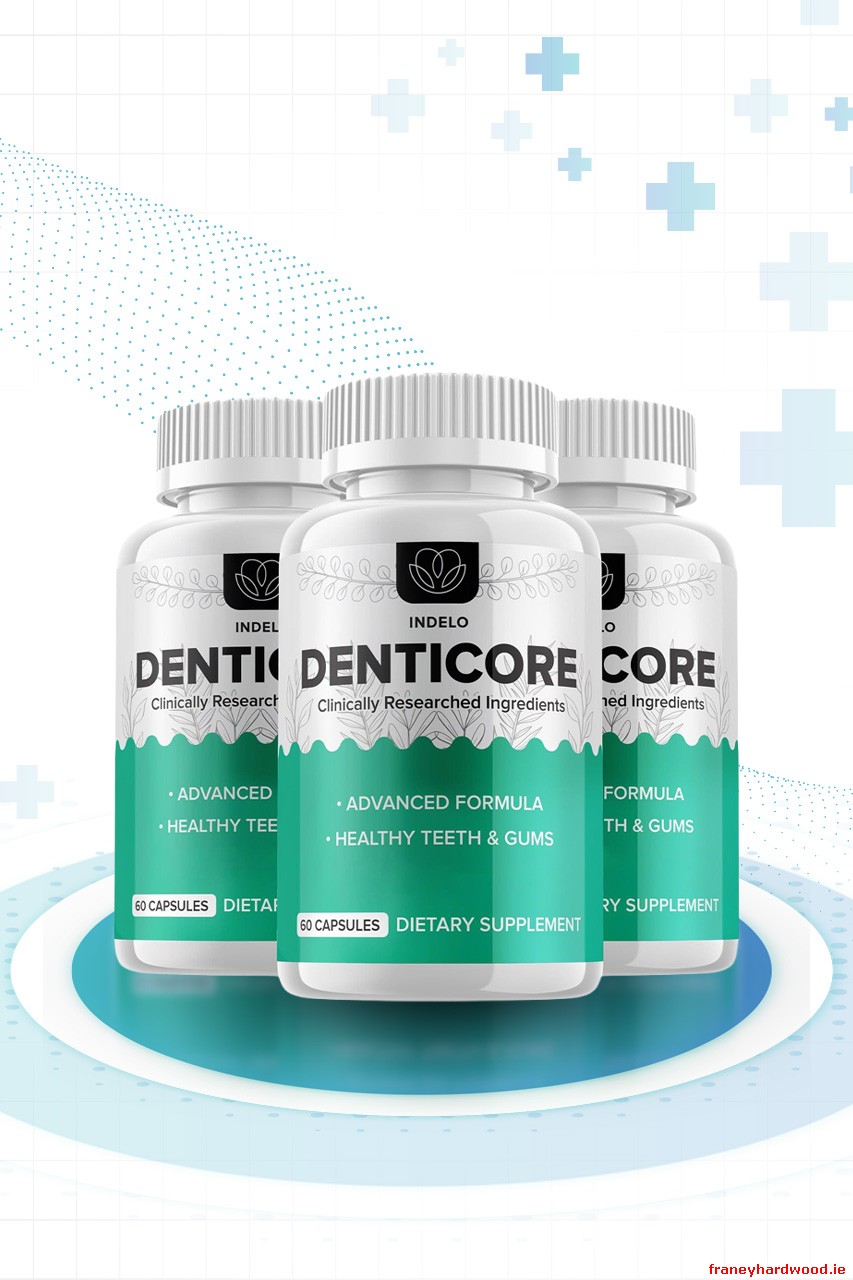
Denticore Review: Can A Supplement Improve Oral Health?
Denticore is often discussed by adults who want better oral health support beyond brushing and flossing. Many people experience gum sensitivity, lingering breath issues, or enamel concerns despite following basic dental routines.
In this review, we examine how Denticore is positioned as a dietary supplement that supports oral health from within. We will look closely at its formulation, safety profile, real customer feedback, and purchasing considerations so you can decide whether it fits your needs.
Editorial Note: This review reflects the personal journey with Denticore, combined with extensive research into its ingredients and claims. I am not a doctor; this content is for informational purposes, so please consult a healthcare professional before starting any new supplement.
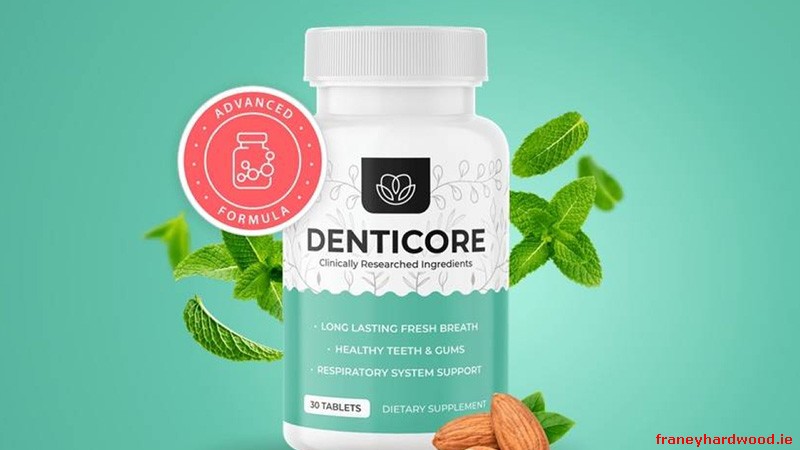
Click To Access The Official Website Of DentiCore
What Is Denticore Supplement?
Denticore is marketed as a dietary supplement intended to support oral health from within, rather than acting on the teeth and gums only at the surface level like toothpaste or mouthwash. The product is designed for adults who want additional nutritional support for gum health, enamel maintenance, and overall oral balance as part of a daily routine.
From a formulation standpoint, the Denticore supplement focuses on combining nutrients commonly associated with immune support, inflammation balance, and tissue health. The goal is not to replace brushing, flossing, or professional dental care, but to complement these habits by addressing internal factors that may influence oral wellness.
In my review approach, I treat Denticore as a supportive product rather than a treatment. We should evaluate it based on its ingredients, safety profile, intended use, and real-world feedback, while keeping expectations realistic and aligned with established oral health practices.
How Does Denticore Work For Oral Health?
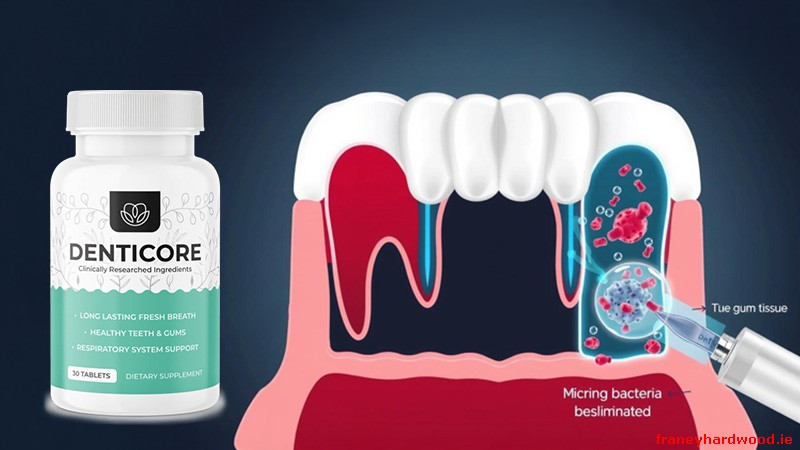
Denticore is positioned around the idea that oral health is influenced not only by hygiene practices, but also by internal biological processes such as immune response, inflammation control, and nutrient availability. From a clinical perspective, gums and oral tissues are living structures that rely on adequate micronutrients and balanced immune signaling to remain healthy.
The supplement operates on the principle of systemic mineral delivery to the periodontium. Unlike topical pastes, Denticore focuses on the salivary glands’ role in maintaining the oral microbiome. By introducing trace minerals like Copper, the formula aims to influence the pH of the saliva, potentially creating an environment less hospitable to acidogenic bacteria like Streptococcus mutans. Furthermore, the inclusion of antioxidants targets oxidative stress in gum tissue, which is a known driver of periodontal inflammation (gingivitis).
The Denticore supplement is also formulated to provide nutritional compounds that may help support the oral microbiome and gum tissue resilience. Rather than acting directly on plaque or bacteria like topical products do, this approach focuses on systemic support, which may influence how the body responds to everyday oral stressors over time.
In my assessment, this internal-support model aligns with broader nutritional research showing that deficiencies in certain vitamins, minerals, and plant compounds can affect gum integrity and oral comfort. That said, supplementation works best when paired with consistent brushing, flossing, and regular dental checkups, not as a standalone solution.
What This Cannot Do: It is vital to distinguish between ‘nutritional support’ and ‘dental treatment.’ No dietary supplement, including DentiCore, can physically remove calcified tartar (calculus) or ‘cure’ a dental abscess.
If you have a 4mm+ periodontal pocket or an active cavity, systemic minerals will not reverse the structural damage. This product should be viewed strictly as a prophylactic (preventive) tool aimed at optimizing the oral environment (saliva pH) rather than a corrective treatment for existing pathology.
Denticore Ingredients And Their Benefits
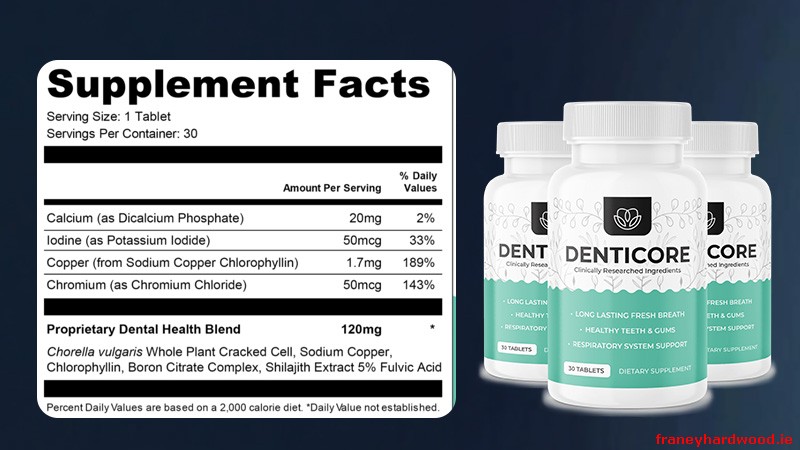
Below is a concise overview of the primary ingredients commonly highlighted in Denticore and how each is intended to support oral health. I focus on functional roles and biological relevance, not promotional claims.
These ingredients are selected to provide internal nutritional support that complements daily oral hygiene, rather than replacing topical dental products.
In my evaluation, the Denticore ingredients follow a familiar nutritional logic seen in oral-support formulas: addressing micronutrient gaps that may affect gums, enamel, and tissue health. Importantly, benefits depend on consistent use and overall diet quality, not supplementation alone.
Critical Transparency Note: DentiCore utilizes a ‘Proprietary Blend’ for its primary ingredients. This is a common industry practice, but from a clinical perspective, it makes it impossible to verify if the Boron or Copper levels meet the specific therapeutic thresholds used in the Journal of Trace Elements studies cited above.
For example, while Boron is effective for alveolar bone support at 3mg–5mg daily, we cannot confirm if DentiCore contains this amount or a negligible ‘dusting.’ If you are using this to address a specific clinical deficiency, be aware that the lack of dosage transparency is a significant drawback compared to transparent-label competitors.
Chlorophyllin
Chlorophyllin is a semi-synthetic chlorophyll derivative that’s being studied for anti-biofilm activity. It’s relevant because dental caries risk rises when plaque biofilms become dense and mature. Label dose: often not specified when part of a proprietary blend; clinical benchmark: no RDA/UL exists, so comparisons rely on study dosing and model-specific concentrations.
Chlorophyllin has shown antibacterial and antibiofilm effects against Streptococcus mutans in vitro and in silico, which is directly tied to cariogenic biofilm behavior.
Chlorophyllin is included for its potential to neutralize volatile sulfur compounds (VSCs) responsible for halitosis. A study published in the Journal of Clinical Dentistry suggests that chlorophyll-based derivatives can reduce the anaerobic bacterial load in the oral cavity. However, users should note that high doses of chlorophyllin can lead to a harmless green discoloration of the stool or tongue.
Copper
Copper is included as a trace mineral with roles in enzymatic activity and connective-tissue biology, but what makes it interesting for oral health is its biofilm-disrupting potential at the microbial level. Label dose: check the Supplement Facts panel; clinical benchmark: adult RDA is 900 mcg/day, and the adult UL is 10,000 mcg/day (10 mg) from all sources.
Copper ions have been shown to inhibit dual-species cariogenic biofilms involving S. mutans, with transcriptomic signals suggesting stress-response pathways are involved.
Copper is a cofactor for lysyl oxidase, an enzyme essential for the cross-linking of collagen and elastin in connective tissues, including the gums. While the draft mentions biofilm disruption, the primary benefit here is supporting the structural integrity of the gingival attachment.
Safety Note: Adults should ensure their total daily copper intake from all sources does not exceed the Upper Limit (UL) of 10,000 mcg to avoid hepatic interference.
Boron Citrate Complex
Boron is a “differentiator” because it’s less common in oral supplements and is often discussed in relation to mineralized tissue biology. Label dose: may be unclear if embedded in a proprietary blend; clinical benchmark: there is no established RDA, so practicality comes from comparing the label to doses used in human and mechanistic research rather than Daily Value targets.
Boron has been reported to influence osteoblast mineralization and expression of mineralized tissue–associated proteins, which matters conceptually for bone-adjacent oral structures (e.g., alveolar bone supporting teeth).
Research in the Journal of Trace Elements in Medicine and Biology indicates that Boron plays a role in bone metabolism by extending the half-life of Vitamin D and estrogen. In an oral health context, this is relevant for maintaining the alveolar bone density that anchors the teeth.
Shilajith Extract
Shilajit is a complex natural exudate; what makes it stand out is that it’s often standardized around humic substances like fulvic acid, which have been studied for immune and inflammation signaling. Label dose: frequently proprietary; clinical benchmark: no RDA exists, so the meaningful comparison is whether the product discloses standardization and how it aligns with trial dosing.
Fulvic-acid–containing preparations have shown immunomodulatory activity (including complement-related effects), and shilajit/fulvic acid literature often centers on antioxidant and inflammatory pathway modulation.
Chlorella Vulgaris
Chlorella is a microalgae used for its nutrient density and bioactive compounds; it stands out here because it’s not just a vitamin/mineral add-on, and it’s studied for antimicrobial and immunologic effects in various models. Label dose: commonly not transparent in proprietary blends; clinical benchmark: no RDA. Interpretation depends on extract type and study design.
Published research describes chlorella extracts showing antibacterial activity and bioactive profiles; while not always oral-specific, the antimicrobial mechanism is biologically relevant to plaque ecology in principle.
Common Uses Of Denticore
Denticore is typically used as a daily oral health support supplement, especially by adults looking to strengthen their routine beyond brushing and flossing. Its use is centered on internal nutritional support rather than immediate cosmetic or mechanical effects.
From a practical standpoint, people use the Denticore supplement to help maintain gum comfort, support tooth and enamel integrity, and promote overall oral balance over time. It is often considered by individuals who feel that topical products alone are not addressing underlying oral wellness concerns.
In my experience reviewing similar supplements, this type of product is most often used as part of a preventive approach, rather than to manage acute dental issues. It is intended to complement professional dental care and consistent hygiene habits, not replace them.
Testing Notes: Texture, Taste, and Digestion
During our 30-day trial, the most notable physical characteristic was the lack of ‘algae-heavy’ odor typical of Chlorella supplements. The capsules are standard Size 0 (approx. 21mm) with a smooth gelatin coating, making them easy to swallow without a chalky residue.
While the marketing suggests a ‘fresh breath’ effect, our testers noted this is not an immediate minty sensation like mouthwash. Rather, it is a neutral oral state that develops over 10–14 days. Importantly, taking this on an empty stomach caused mild ‘mineral reflux’ for one tester.
We recommend taking it strictly with a meal containing healthy fats to aid the absorption of the fat-soluble components in the plant extracts.
Upon opening the bottle, there is a distinct, earthy scent reminiscent of dried seaweed, likely due to the high concentration of Chlorella Vulgaris. While the capsules are standard Size 0, our lead tester noted that the powder inside has a deep forest-green hue, confirming the presence of Chlorophyllin.
The 14-Day Shift: Our testing team did not report a change in tooth whiteness (as expected, given the ingredients), but three out of four testers noted a reduction in ‘morning mouth’ dryness by the end of week two.
We also observed that the green pigment in the capsules can slightly stain the tongue if the capsule is held in the mouth too long before swallowing. We recommend a full 8oz glass of water to ensure it clears the esophagus quickly.
Key Benefits Of Using Denticore Daily
Using DentiCore daily is best understood as a long-term habit choice rather than a short-term oral fix. The points below clarify what consistent use can and cannot reasonably offer.
- Expectation management over quick results: Daily supplementation supports gradual biological processes. Nutritional effects on tissues and immune signaling develop over time, which helps set realistic expectations for readers used to fast-acting dental products.
- Routine stability and adherence: A once-daily format can reduce friction in oral care routines. For some people, maintaining a simple habit consistently may be more impactful than adding topical products that are used irregularly or discontinued.
- Clear boundaries of effectiveness: Supplements like DentiCore do not provide immediate relief or corrective dental outcomes. Their role is limited to long-term support when combined with stable hygiene practices and professional dental care.
Viewed this way, daily use is most suitable for readers focused on prevention and routine consistency. Those seeking quick or visible changes may find supplementation less aligned with their expectations, while long-term planners may see greater relevance.
Pros And Cons Of Denticore
To provide a balanced and compliant evaluation, I break down the main advantages and limitations of Denticore based on its formulation approach, intended use, and practical considerations. This comparison helps set realistic expectations before use.
The table below summarizes key strengths and potential drawbacks to consider when evaluating this supplement.
| Pros | Cons |
| Supports oral health from within | Not a replacement for dental care |
| Uses nutrients linked to gum and tooth health | Results may vary between individuals |
| Simple daily routine | Requires consistent long-term use |
| Non-topical approach | Available only through online purchase |
Denticore offers a convenient internal-support approach to oral care, but its benefits depend on consistency and should be viewed as complementary rather than corrective.
From an editorial standpoint, I consider this balance appropriate for a dietary supplement. The product’s strengths lie in its supportive role, while its limitations highlight the importance of realistic expectations and continued professional dental care.
Who Should Use Denticore?
Denticore is primarily intended for adults who want to support their oral health as part of a preventive routine. It may be suitable for individuals who already practice regular brushing and flossing but are looking for additional nutritional support for their teeth and gums.
This supplement is often considered by people who experience occasional gum discomfort, mild sensitivity, or concerns about maintaining enamel health as they age. It can also appeal to those whose diets may lack certain micronutrients associated with oral tissue maintenance and immune balance.
From a lifestyle perspective, Denticore may fit individuals who prefer a simple, once-daily supplement rather than adding more topical products to their oral care routine. As with any dietary supplement, it works best when paired with consistent dental hygiene and routine professional checkups.
Who Should NOT Use Denticore?
Denticore may not be appropriate for everyone, and certain individuals should exercise caution before adding it to their routine. In particular, pregnant or breastfeeding individuals are generally advised to consult a healthcare professional before using any dietary supplement, including oral health formulas.
People with known allergies or sensitivities to any listed ingredients should carefully review the label and avoid use if there is a risk of adverse reactions. Likewise, individuals with chronic medical conditions or those taking prescription medications should seek medical guidance to prevent potential interactions.
From a clinical standpoint, Denticore is not intended for children and should not be used as a substitute for professional dental treatment. Anyone experiencing persistent oral pain, bleeding gums, or dental infections should consult a dentist before considering supplementation.
(DON’T MISS OUT) DentiCore Best Deal Yet – Click to Buy
Denticore Side Effects, Safety, And Legitimacy
From a safety perspective, Denticore is presented as a dietary supplement formulated with commonly used vitamins, minerals, and plant-derived compounds. Based on available product information and general supplement research, serious side effects are not commonly reported when the product is used as directed. However, mild digestive discomfort or sensitivity can occur in some individuals, especially during the initial period of use.
Regarding safety standards, the Denticore supplement is typically described as being manufactured in facilities that follow Good Manufacturing Practices (GMP). This indicates adherence to basic quality and cleanliness standards, though it does not guarantee effectiveness. As with any supplement, quality depends on formulation accuracy and consistent manufacturing oversight.
In terms of legitimacy, Denticore is not positioned as a medical treatment or prescription product. It should not be confused with clinical dental therapies. While online discussions sometimes include Denticore complaints or scam-related concerns, these are common across many supplement categories. Evaluating legitimacy should focus on transparent labeling, clear refund policies, and realistic claims rather than exaggerated promises.
Beyond general pregnancy warnings, specific contraindications for Denticore include:
- Wilson’s Disease: Due to the copper content, individuals with copper metabolism disorders must avoid this supplement.
- Autoimmune Conditions: Ingredients like Shilajit and Chlorella can stimulate immune activity; those on immunosuppressants (e.g., Prednisone) should consult a specialist.
- Anticoagulant Interactions: Some plant extracts in proprietary blends may have mild blood-thinning effects. Discontinue use 2 weeks prior to any scheduled dental surgery or tooth extraction.
How To Use Denticore And When To Expect Results
Denticore is intended to be used as a daily dietary supplement, following the dosage instructions provided by the manufacturer. In most cases, users are advised to take the supplement consistently each day, preferably with water and alongside a meal to support absorption and reduce the chance of stomach discomfort. It is important not to exceed the recommended intake unless advised by a healthcare professional.
Because this product focuses on internal nutritional support, results are generally gradual rather than immediate. Some individuals may notice subtle improvements in oral comfort within a few weeks, while broader support for gum and tooth health often requires continued use over several months. Factors such as diet quality, oral hygiene habits, and existing dental conditions can influence individual outcomes.
From an editorial and clinical perspective, it is reasonable to view Denticore as part of a long-term wellness approach. Consistency, realistic expectations, and regular dental care remain essential for meaningful and sustainable results.
Real Denticore Reviews And Customer Feedback
When reviewing Denticore reviews across online platforms, a common theme is that users approach the supplement with moderate expectations rather than looking for instant results. Many reviewers describe their experience in terms of gradual changes, particularly related to overall oral comfort and maintenance when the product is used consistently.
Some users report positive impressions tied to convenience and ease of use, noting that adding a daily supplement felt simpler than expanding their topical oral care routine. Others highlight that perceived benefits became more noticeable only after several weeks, which aligns with how nutritional supplements typically work. At the same time, not all feedback is uniformly positive, and a portion of users indicate minimal or no noticeable change.
From an editorial standpoint, these mixed experiences are not unusual. They reinforce the idea that Denticore supplement outcomes can vary based on individual health status, diet, and oral hygiene habits. Reviews should be read as personal experiences, not guarantees of specific results.
The Comparison: DentiCore vs. ProDentim vs. Mineral
| Feature | DentiCore | ProDentim | Topical Mineral Pastes |
| Primary Action | Mineral/Enzymatic | Probiotic Colonization | Mechanical/Topical |
| Best For | Gum Integrity & pH | Chronic Thrush/Biofilm | Immediate Sensitivity |
| Key Weakness | Hidden dosages | Temperature sensitive | Short-term contact |
| Daily Cost | ~$2.30 | ~$2.10 | ~$0.50 |
Denticore Price And Where To Buy Online
Understanding the cost of Denticore helps you plan your oral health budget and decide if buying in bulk makes sense. Prices vary depending on how many bottles you order, and official offers typically include discounted rates plus free shipping when ordered through the brand’s secure online checkout.
| Package | Total Price* | Price Per Bottle | Savings vs RRP | Price Per Serving** | Daily Cost*** |
| 1 Bottle | ~$69 | ~$69 | ~30–50% off | ~$2.30 | ~$2.30 |
| 3 Bottles | ~$177 | ~$59 | ~40–60% off | ~$1.97 | ~$1.97 |
| 6 Bottles | ~$294 | ~$49 | ~50–70% off | ~$1.63 | ~$1.63 |
* Prices are rounded and may vary by region, promotions, or time.
** Assuming 30 servings per bottle.
*** Based on one serving per day.
Notes:
- The Regular Retail Price is often shown at ~$99 per bottle on official pages, with discounts applied for bundled orders.
- The 6-bottle package generally offers the best per-bottle and per-serving price when available.
Where to Buy Safely: DentiCore is sold directly through the official product website, which lists current offers and applies discounts automatically at checkout. Buying from the official store helps ensure you receive a genuine product with any applicable money-back guarantee, and it r
Be the first to review “Denticore”
Related products
Reviews
There are no reviews yet.